The Most Exclusive Varieties Explained
Honey has always carried value — as nourishment, medicine, tribute, and trade. Yet beyond everyday blossom honeys lies a far more exclusive realm.
Luxury honey is not simply expensive honey. It is honey shaped by isolation, risk, chemistry, heritage, and scarcity. It may come from caves hundreds of metres deep, from sacred desert trees that bloom briefly each year, from swamp forests accessible only by boat, or from islands so remote that disease has never reached their bees.
This guide presents a curated selection of the world’s most exclusive and extraordinary honeys. Each variety below represents true rarity — defined not by marketing, but by measurable scarcity, exceptional conditions, or unusual biological composition.
What Makes a Honey “Rare & Luxury”?
Not every small-batch or seasonal honey qualifies.
A honey enters the rare and luxury category when it meets multiple high-level criteria:
1. Extreme Scarcity
- Very limited annual yield
- Short bloom window
- Restricted geographic origin
2. Exceptional Market Positioning
- Premium pricing
- Limited reserve batches
- Boutique or auction-level sales
3. Dangerous or Technically Difficult Harvest
- Cliff harvesting
- Cave extraction
- Swamp-only access
4. Unusual Chemical Composition
- Exceptionally high antimicrobial markers
- Unique natural toxins
- Rare sugar balance
5. Cultural or Historical Prestige
- Sacred or protected floral source
- PDO designation
- Isolated genetic bee strains
The honeys below meet at least two — often three or more — of these criteria.
Rare Honeys at a Glance
| Honey | Country/ Region | Why It’s Rare | Distinctive Feature |
| Centauri Honey | Turkey | Minute quantities from remote, high-altitude caves | Guinness record price |
| Elvish (Peri Balı) | Turkey | ~20kg per year | Sold at Harrods |
| Manuka South Honey (UMF 35+) (UMF 32+) | New Zealand | Extremely limited certified batches | Very high MGO levels, sold at Harrods |
| Sidr Honey | Yemen | Sacred tree, short bloom | Thick, toffee-like |
| Mad Honey | Turkey, Nepal | Contains grayanotoxins | Naturally intoxicating |
| Rose Taif Honey | Saudi Arabia | Limited rose valleys | Perfumed aroma |
| Tupelo Honey (River) | USA | Short bloom in swamp forests | Never crystallises |
| Pitcairn Honey | South Pacific | Disease-free bees, tiny island | Ultra-limited supply |
| Colonsay Honey | Scotland | PDO, isolated bee strain | Protected origin |
The World’s Most Exclusive Honeys
Centauri Honey – The Record-Breaking Cave Honey
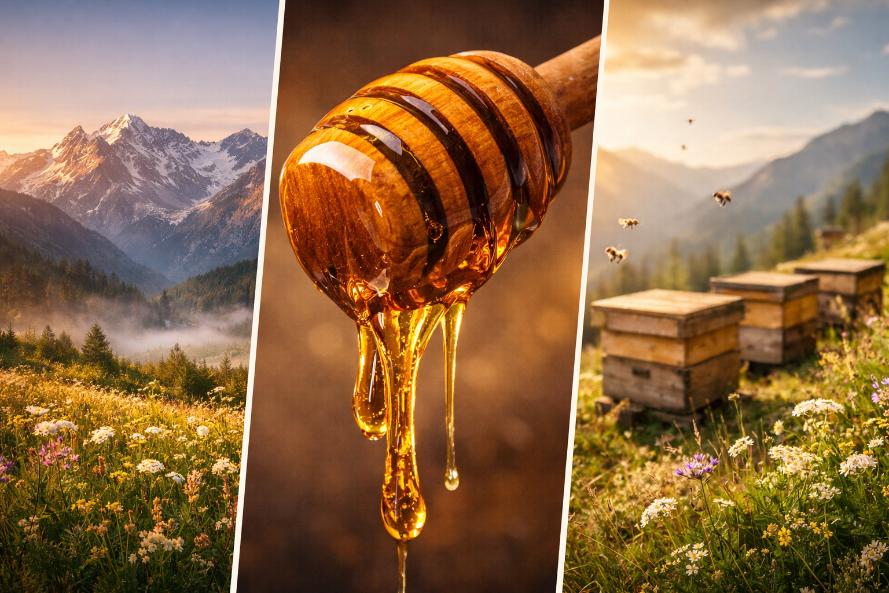
Harvested from mineral-rich caves in Turkey’s Artvin region, Centauri honey entered the Guinness World Records as the most expensive honey ever sold.
Collected from high-altitude cave walls rather than traditional hives, it is produced in extremely small quantities. Its dark colour and dense mineral character reflect its unusual environment.
Why it stands apart:
Ultra-low yield, cave harvesting, global record price.
Discover the full Centauri Honey story →
Elvish Honey – The Boutique Cave Rarity
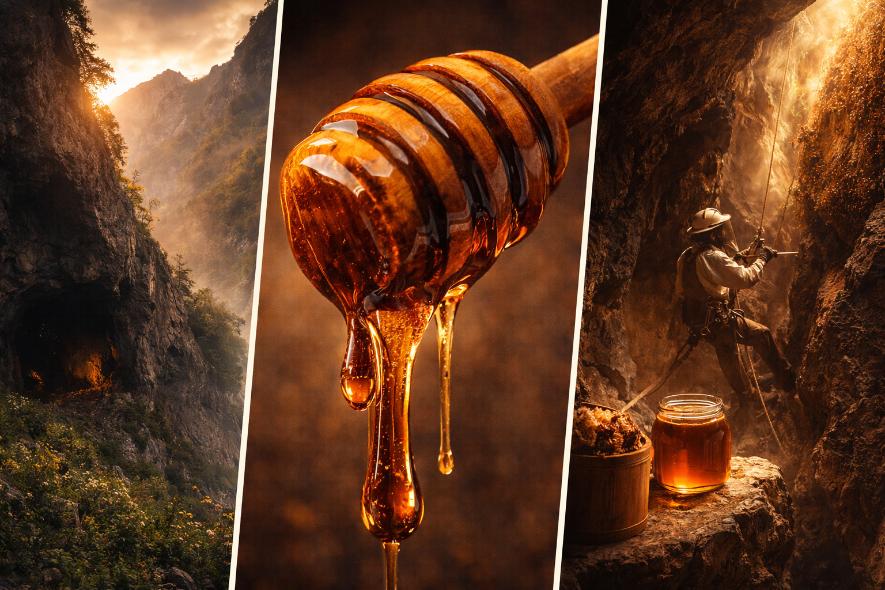
Also harvested in Turkish caves, Elvish honey (Peri Balı) is collected in quantities as low as 20kg annually. It gained international recognition when sold in luxury retail settings for over £1,000 per jar.
Its flavour profile is mineral-rich, deep, and unlike floral blossom honeys.
Why it stands apart:
Extremely limited output + cave origin + high-end positioning.
Explore Elvish Honey in detail →
Manuka Honey (UMF 32+ / 35+) – The Scientific Rarity
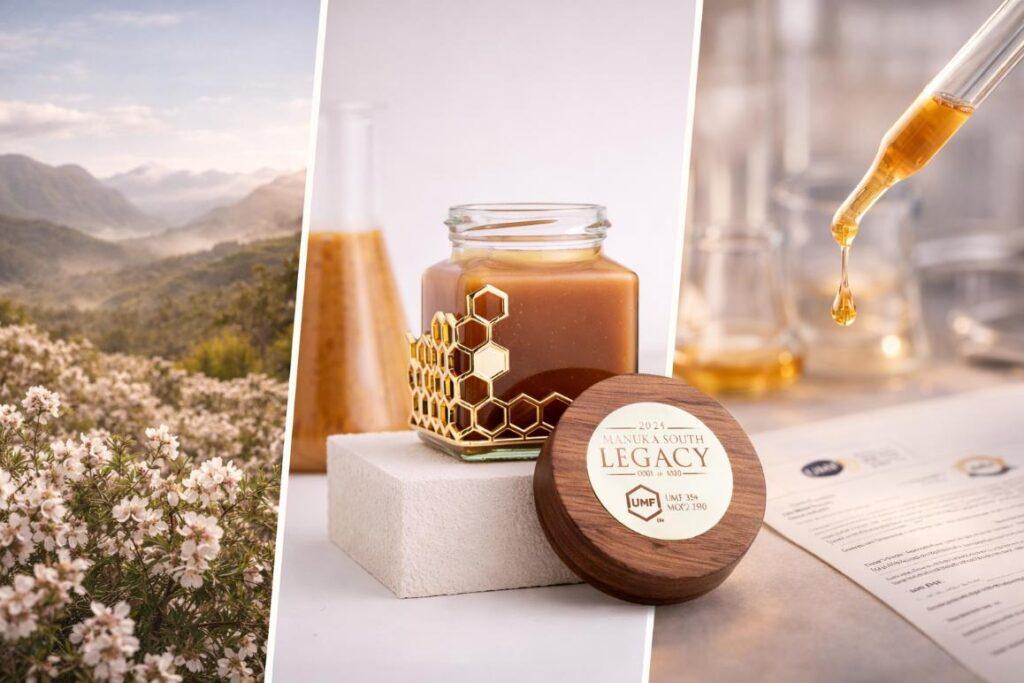
Only the highest certified UMF grades qualify here.
These ultra-premium batches contain exceptionally high methylglyoxal (MGO) levels, independently verified by laboratory testing. Only a small fraction of global Manuka production reaches this potency.
Why it stands apart:
Scientifically rare composition + strict certification + limited supply.
Read our in-depth UMF & MGO Manuka guide →
Sidr Honey – Sacred Desert Gold
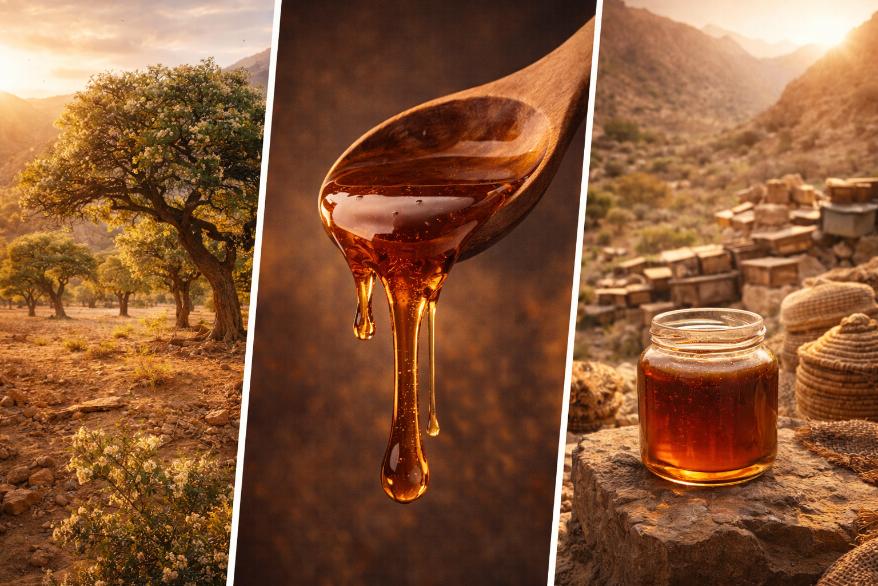
Premium Yemeni Sidr honey is harvested from ancient desert trees that bloom briefly each year. Deeply embedded in regional tradition, it is prized both nutritionally and culturally.
Authentic wild harvests are limited and highly sought after.
Why it stands apart:
Sacred tree heritage + short bloom + strong global demand.
Discover the full Sidr Honey guide →
Mad Honey – The Intoxicating Mountain Honey
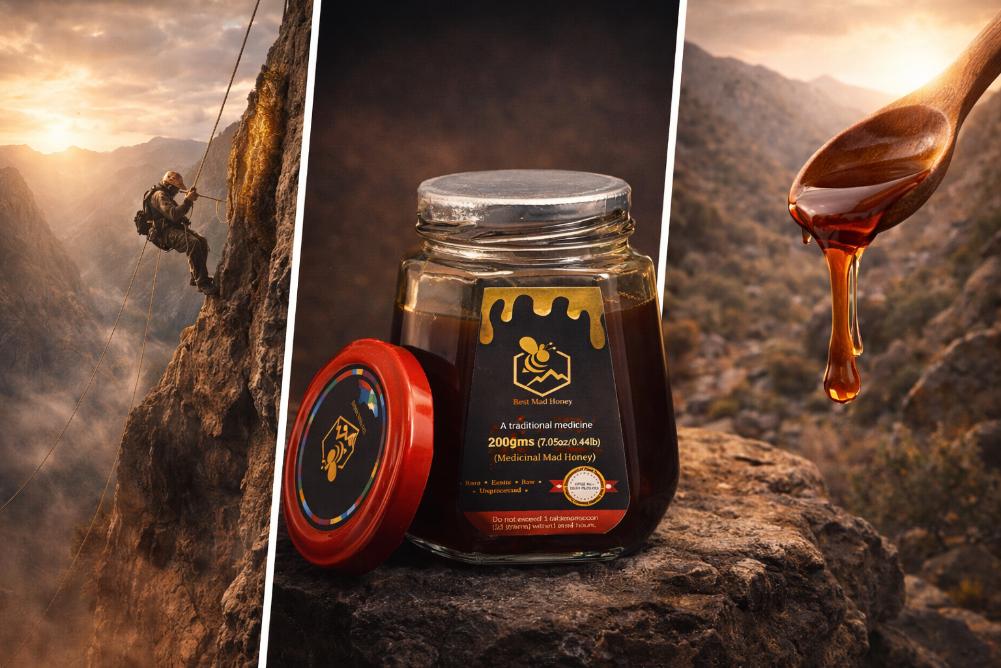
Produced from rhododendron nectar in mountainous regions of Turkey and Nepal, Mad Honey contains natural grayanotoxins. In larger amounts, these can cause dizziness and hypotension.
Harvesting often involves dangerous cliff climbing.
Why it stands apart:
Unique chemistry + hazardous harvest + centuries of folklore.
Read the complete Mad Honey guide →
Rose Taif Honey – Perfume in a Jar
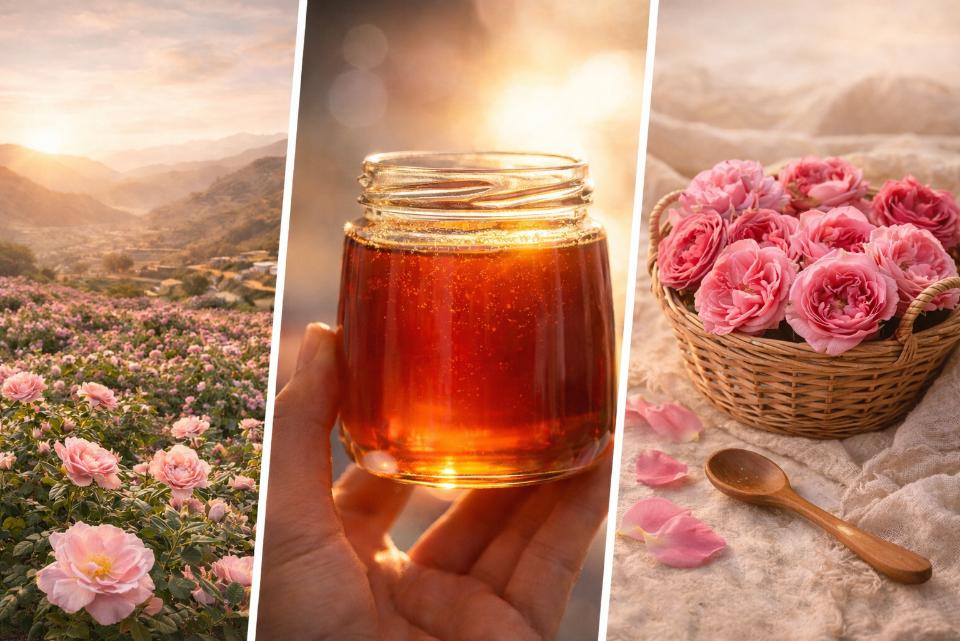
Produced in the rose-growing valleys of Taif, this honey carries a delicate floral fragrance linked to the same roses used in perfumery.
Production is geographically restricted.
Why it stands apart:
Limited origin + floral prestige + boutique scale.
Learn more about Rose Taif Honey →
Tupelo Honey – The Non-Crystallising Queen
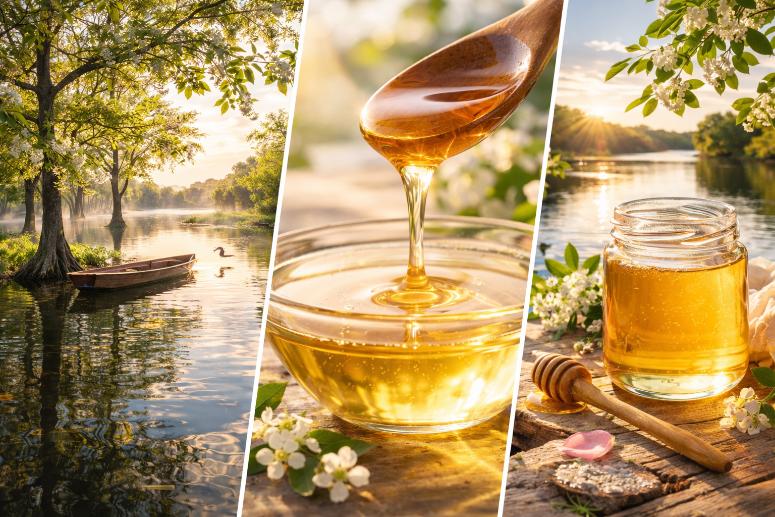
Authentic river Tupelo honey is harvested during a short bloom in southeastern swamp forests.
Its naturally high fructose content prevents crystallisation — a rare characteristic in honey.
Why it stands apart:
Short bloom + restricted geography + unusual sugar balance.
Explore Tupelo Honey in depth →
Pitcairn Island Honey – The Remote Island Treasure
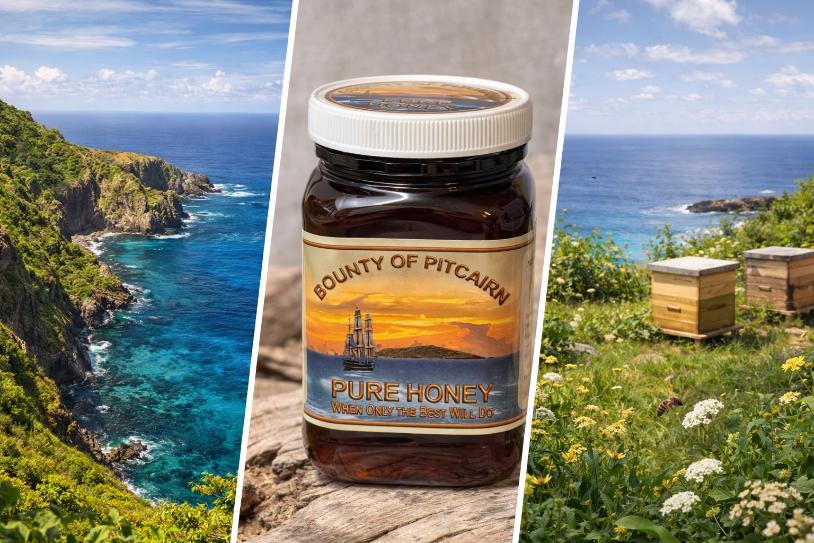
Produced on one of the world’s most isolated islands, Pitcairn honey comes from bees living in a tightly controlled ecosystem free from many common bee diseases.
Supply is naturally limited.
Why it stands apart:
Geographic isolation + pristine ecosystem.
Discover Pitcairn Island Honey →
Colonsay Honey – Scotland’s Protected Island Honey
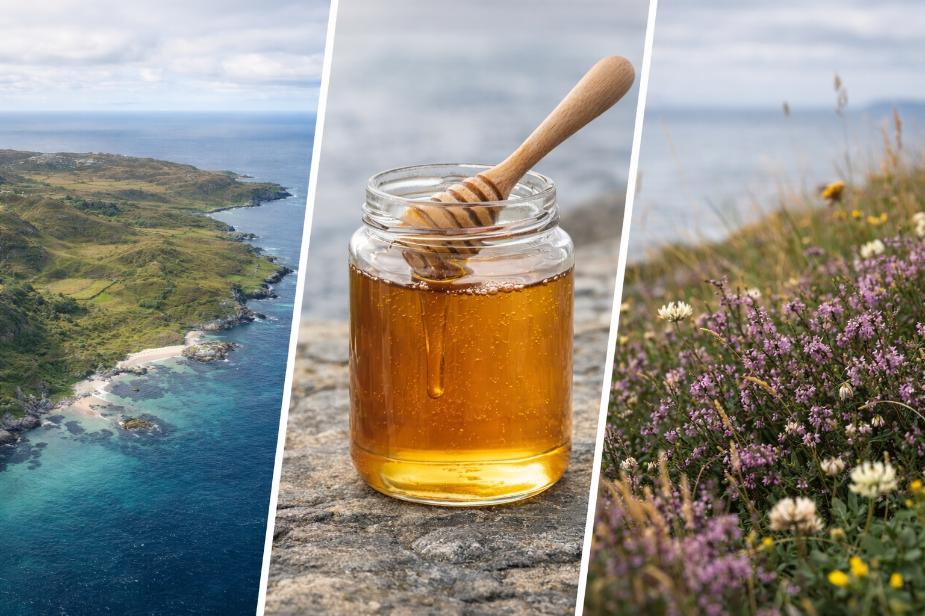
Produced on the Scottish island of Colonsay, this honey benefits from PDO status. Only licensed beekeepers may operate there, protecting a rare strain of European black bee.
Why it stands apart:
Protected designation + limited producers + genetic preservation.
Read more about Colonsay Honey →
Buying Guide: How to Avoid Counterfeits
Because rare honeys command premium prices, they are frequently imitated.
To purchase confidently:
✔ Request laboratory analysis where applicable (especially Manuka and Sidr).
✔ Verify certification bodies (UMF™, PDO, regional authorities).
✔ Buy from trusted cooperatives or specialty retailers.
✔ Avoid “discount” luxury honey — authentic rare honeys rarely sell cheaply.
✔ Check harvest region transparency.
Scarcity should be verifiable — not just claimed.
Health Considerations
Many rare honeys are valued for:
- High antioxidant content
- Antimicrobial properties
- Mineral density
- Cultural medicinal traditions
However:
- Mad Honey must be consumed cautiously.
- All honey carries infant botulism risk under 12 months.
- Premium price does not automatically equal superior health benefit.
Scientific validation varies by type — always balance tradition with evidence.
Explore More: Regional Honey Guides
Rare & luxury honeys represent the most exclusive tier, but global honey diversity extends far beyond this list.
For broader exploration, visit our other articles:
- Mediterranean Honeys
- Scandinavian Honeys (coming soon)
- Middle Eastern Honeys (coming soon)
- Australian Honeys (coming soon)
- North American Honeys (coming soon)
Each regional guide explores biodiversity, terroir, and traditional beekeeping practices in depth.
A Final Invitation
Rare honey is not just about taste. It is about place, risk, chemistry, and heritage.
In future tasting notes, we will explore aroma, texture, crystallisation behaviour, and pairing suggestions for each variety — building a true global honey tasting journal.
Which of these rare honeys would you most like to experience first?
The Rare & Luxury Honeys Index
Record-Breaking
Cave/ High Altitude-Associated
Medically Certified Potency
Sacred & Cultural
Short Bloom Window
Geographically Isolated