
Among the world’s rare honeys, few have achieved the legendary status of Sidr honey. Harvested from the ancient Ziziphus spina-christi (Sidr tree) in Yemen, this golden, thick honey is celebrated for its smooth caramel-like taste and long-standing reputation as a medicinal treasure. For centuries, it has been traded across the Arabian Peninsula as both a luxury and a healing remedy.
Discover other varieties in our full guide “Rare & Luxury Honeys of the World“
Origins & Geography
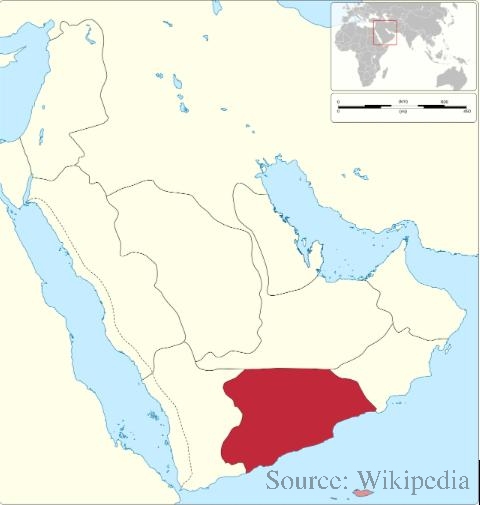
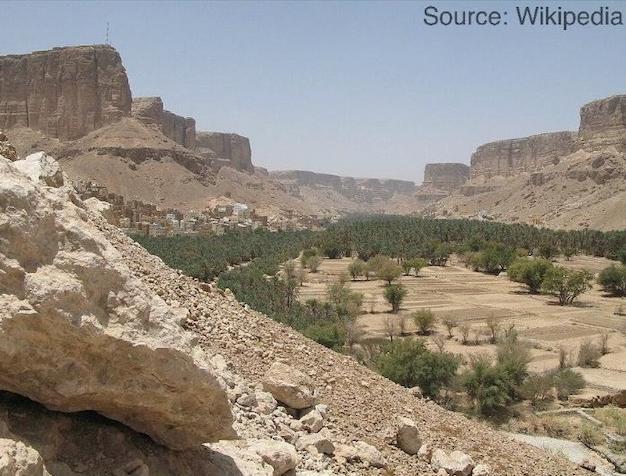
True Sidr honey is almost exclusively produced in Hadramaut, Yemen — particularly in Wadi Do’an, a semi-desert region where Sidr trees bloom briefly once a year (though smaller amounts are also produced in Pakistan, India and Greece).
The Sidr tree thrives in arid valleys and desert fringes, where its deep roots find water underground.
Because these trees flower only once a year for a short period, yields are limited.
Floral Source & Bees
The Sidr tree (Ziziphus spina-christi) is considered sacred in Islamic tradition, and its fruit and leaves are also used medicinally.
During bloom, bees collect nectar almost exclusively from Sidr blossoms, resulting in a monofloral honey of exceptional purity.
Traditional Yemeni beekeepers often use old-style log hives, passed down through generations.
Yemeni beekeepers keep their hives near wild Sidr groves and move them carefully during bloom time.
The bees forage almost solely on Sidr nectar, giving the honey its distinct caramel-golden colour and rich aroma.
Harvesting Process
Harvesting Sidr honey is labour-intensive and strictly seasonal.
Honey is harvested by hand — the combs are cut open and cold-pressed, not heated, preserving enzymes and aroma compounds.
Each batch varies slightly depending on rainfall and flowering density. Annual yields are small, making authentic Sidr honey a limited, artisanal product.
- Bloom season: typically autumn.
- Bees are kept far from chemicals and antibiotics, as traditional Yemeni practice values natural methods.
- Honey is collected once the bloom ends, and yields are small due to the limited flowering window.
This scarcity is a major factor in its high price.
🐝 Ancient Craft, Living Tradition: How Yemeni Beekeepers Still Work with Nature
Every drop of Yemeni Sidr honey carries not only the essence of the Sidr blossom but also the spirit of an ancient craft.
In Yemen’s rugged valleys, where modern tools are scarce and tradition runs deep, beekeeping is still performed much as it was centuries ago. Before we taste its smooth caramel sweetness, it’s worth taking a glimpse into the world of the beekeepers themselves — artisans who keep this golden heritage alive through skill, patience, and devotion.
Step into Yemen’s Wadi Do’an, and you’ll see that beekeeping here is more than an occupation — it’s a heritage craft passed from father to son for generations. The honey may be world-famous, but what makes it truly special lies in the way it’s harvested.
🌾 Traditional Hives: Nature’s Architecture
While many countries have turned to industrial box hives, Yemeni beekeepers still rely on traditional woven and log hives, hand-built from whatever nature provides — hollow tree trunks, cane, clay, and palm stems. These ancient designs aren’t relics; they’re perfectly adapted to Yemen’s harsh desert climate, keeping bees cool and honey pure.
“A generation ago, beehives were still cultivated in empty tree trunks — and in many valleys, they still are.”
— The Guardian, “Liquid Gold: Beekeepers Defying Yemen’s War”
Each hive is unique, shaped by the hands of its maker. Some are cylindrical cane hives (called Khayzarān), others are clay-coated log hives suspended in the shade of Sidr trees. These structures breathe, regulate temperature, and preserve the delicate floral notes of the honey inside.
🐪 A Blend of Old and New
Modern wooden hives (Langstroth types) are slowly appearing in urban areas and educational projects, but in remote wadis and mountain villages, the old ways endure.
The Hadhramout University of Science & Technology confirms that most local apiarists still prefer traditional hives, opening them carefully from the back to harvest combs by hand — no metal extractors, no heating, no blending.
“The simplest man-made hives are made of plant debris, clay, or hollowed logs — traditions that have survived centuries.”
— Local Knowledge and Sustainable Agriculture in Yemen (CEFA Studies, OpenEdition)
The result? Each jar of Sidr honey carries not just the essence of the Sidr blossom, but also the spirit of an ancient craft that has changed little in a thousand years.
🏺 A Heritage Worth Protecting
For Yemen’s beekeepers, preserving traditional hives isn’t nostalgia — it’s a statement of identity and resilience. Even amid conflict and scarcity, they continue to move their hives with the seasons, following the Sidr bloom like nomads guided by the scent of flowers.
“Small wood, cane or pottery hives for both stationary and nomadic beekeeping are still practised — one of the few living links to Yemen’s ancient apicultural past.”
— Balqees Honey, “Why Yemeni Cave Honey Is So Special”
These humble hives — dark, smoky, and humming with life — connect Yemen’s honey not just to a place, but to a way of life.
🌍 Sources for Further Reading
If you’d like to explore more about Yemen’s living beekeeping traditions, check out the following:
- “Local Knowledge and Sustainable Agriculture in Yemen” – OpenEdition Books (CEFA Studies)
- “Beekeeping in Hadhramout” – Prof. Dr. Mohammed Saeed Khanbash, Beekeeping Professor, Faculty of Science Hadhramout University, 2021
- “Why Yemeni Cave Honey Is So Special” – Balqees Honey blog
- The Guardian: “Liquid Gold: Beekeepers Defying Yemen’s War”
Taste & Appearance
- Colour: Rich golden amber, sometimes with reddish tones.
- Texture: Thick, smooth, and slow-pouring.
- Flavour: Distinctively sweet with deep caramel and toffee notes, sometimes with a hint of date or fig.
- Crystallisation: Crystallises slowly compared to lighter honeys.
👉 From personal experience: Sidr honey is unique and delicious: it has deep, warm aroma, butterscotch / caramel flavour profile, and smooth, rich texture, making it as enjoyable on a spoon as drizzled over warm bread.
I first discovered it through a British company Maters & Co. The honey is well described as deep, slightly warm, lacking floral over-sweetness and with “a distinct but strong smell of sidr”.
Fructose content is high, so it doesn’t crystallise but becomes thicker over time. Smooth, rich, thick, but not overly sticky — people like how it coats and lingers without being overwhelmingly sweet.
Definitely worth trying!
Medicinal & Cultural Significance
For centuries, Sidr honey has been used in traditional medicine:
- Healing wounds and burns
- Boosting immunity
- Treating digestive and respiratory issues
- Considered an aphrodisiac in Yemeni culture
Modern research shows it contains high levels of antioxidants, antibacterial compounds, and enzymes, comparable to (and in some cases stronger than) manuka honey.
⚖️ A Note on Reported Claims and Verification
Various online sources and honey trade blogs often cite impressive statistics and descriptions about Yemeni Sidr honey — from annual yields as low as 5–7 tons in Wadi Do’an, to altitude ranges of 1,500–2,800 meters, and even specific chemical compositions said to include higher phenolic and enzyme content than other honeys.
While these details are intriguing and often repeated across sites, many are not yet backed by traceable scientific or governmental references.
Until more peer-reviewed analyses or field studies are available, such figures should be taken as indicative rather than verified.
What is well-established, however, is that Sidr honey’s rarity, labour-intensive harvest, and the continued use of traditional hives all contribute to its exceptional reputation and high value.
Rarity & Price
Sidr honey is one of the most expensive honeys in the Middle East:
- Price range: $100–$300 per kilo (authentic, raw Sidr from Yemen).
- Factors: short bloom season, traditional beekeeping, political instability in Yemen limiting exports.
- High demand in Gulf countries, where it is seen as a prestige gift.
Buying Guide
Because Sidr honey fetches premium prices, it is often faked or diluted.
- ✅ Look for lab certificates showing pollen analysis (to confirm Sidr origin).
- ✅ Buy from reputable Yemeni cooperatives or trusted Middle Eastern specialty stores.
- ⚠️ Be cautious of cheap “Sidr” honey online — often just regular honey mixed with sugar syrup.
- Storage: keep in a cool, dark place; avoid refrigeration.
Comparison With Other Rare Honeys
- Vs. Manuka honey (New Zealand): Both prized for medicinal power, but Sidr is sweeter and smoother, while manuka has a medicinal/earthy flavour.
- Vs. Strawberry Tree honey (Mediterranean): Sidr is rich and caramel-like, while Strawberry Tree honey is bitter and herbal.
🐝 Sidr Honey FAQs
What makes Sidr honey so special?
Sidr honey comes from the sacred Sidr tree (Ziziphus spina-christi) that grows in Yemen’s Wadi Do’an valley. It’s prized for its silky texture, rich caramel flavour, and powerful antibacterial properties. True Sidr honey is raw, unheated, and harvested using traditional methods passed down for centuries.
Is Sidr honey better than Manuka honey?
Both are premium medicinal honeys, but Sidr honey is smoother and sweeter, with a warm toffee-like taste. Manuka honey is more herbal and tangy. Sidr honey’s antibacterial activity rivals high-grade Manuka, but it’s rarer and harvested entirely by hand in Yemen, which adds to its exclusivity.
Can I eat Sidr honey every day?
Yes — pure Sidr honey can be enjoyed daily in small amounts. It’s rich in natural enzymes, antioxidants, and minerals that support immunity and digestion. A spoonful in warm water or milk is a traditional Yemeni remedy for energy and overall wellness.
Why is Yemeni Sidr honey so expensive?
Authentic Sidr honey is rare because the Sidr trees flower only once a year, and beekeepers still use traditional hives and hand extraction methods. Political instability and limited export routes from Yemen also contribute to its high price and sought-after status.
How do I know if my Sidr honey is genuine?
Look for verified origin (Wadi Do’an or Hadhramaut), lab-tested Total Activity (TA) ratings, and raw, unfiltered texture. Real Sidr honey is thick, smooth, and deeply aromatic — not watery or overly sweet. Trusted brands like Maters & Co and Balqees provide authenticity certificates.
Is all Sidr honey the same?
No — not all Sidr honey is the same. Its flavour, colour, and texture can vary depending on the region, season, and local beekeeping methods. Sidr honey from Wadi Do’an, for example, is darker and richer than that from Hadramaut or Al-Osaymat. Because it’s a raw, natural product, it naturally varies in aroma, sweetness, and thickness from batch to batch — a mark of its authenticity, not a flaw.
Many websites share figures about Sidr honey’s composition, but most lack verified scientific or official sources. These claims are intriguing but should be viewed as estimates — Sidr honey’s true value lies in its rarity and traditional hand-harvesting rather than exact numbers.
Conclusion
Sidr honey is more than a sweetener — it is a cultural symbol, a traditional medicine, and a taste of Yemen’s landscapes and heritage. Its rarity, smooth caramel flavour, and healing reputation make it one of the most sought-after honeys in the world.
👉 Have you ever tasted Sidr honey? Would you pay premium prices for this golden nectar?
Share your thoughts below, and explore more Rare & Luxury Honeys of the World in our full guide.
Extremely interesting article about rare honey. Thorough information and easy to understand.
Thank you, Kay, I appreciate your feedback. I love learning about different varieties, trying them, whenever possible, and then sharing this with other people. The Honey of the World category (part of which is the newly updated Rare & Luxury Honey) will be constantly growing.