A simple, natural skin balm for glowing, well-nourished skin
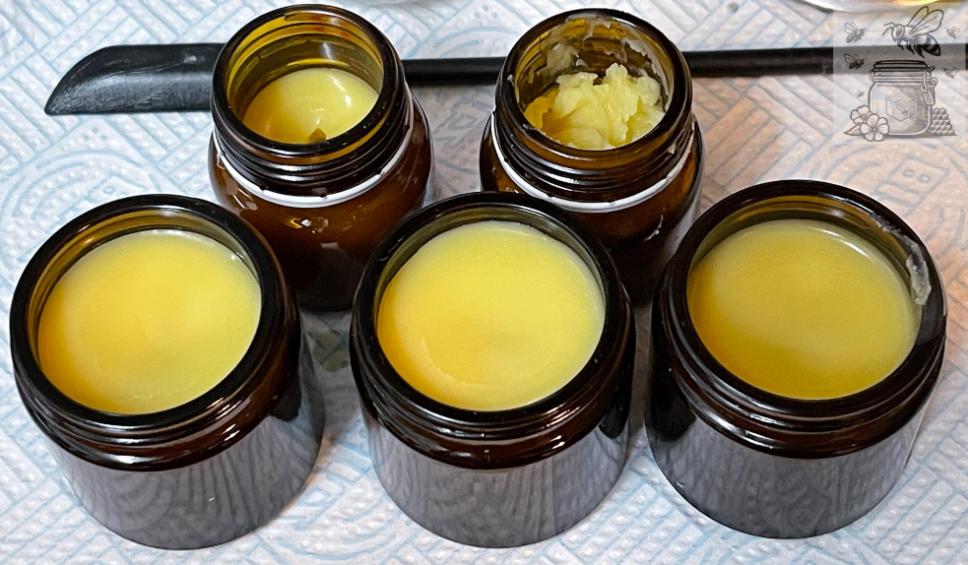
There is something deeply satisfying about making your own skincare from ingredients you understand. This calendula infused coconut oil and beeswax salve is one of those simple, time-honoured preparations that proves you do not need complicated formulations to achieve beautifully moisturised, healthy-looking skin.
I have made this salve myself and genuinely love it.
It keeps the skin supple, nourished and naturally radiant — especially during colder months when skin feels dry and tight.
If you have already read our guide on What Is Beeswax & How to Use It for Sustainable Living, this recipe is a perfect practical continuation.
Why This Salve Works
Each ingredient plays a clear and purposeful role:
- Calendula flowers – traditionally used in herbal skincare for soothing and supporting the skin barrier
- Coconut oil – deeply moisturising, rich in fatty acids
- Beeswax – forms a breathable protective layer that locks in moisture without clogging pores (more about it in the article The Ultimate Guide to Beeswax in Skincare).
Beeswax, produced by Apis mellifera, has been used in skincare preparations for centuries due to its natural emulsifying and protective qualities.
Calendula (Calendula officinalis) has a long tradition in European herbalism and was commonly infused into oils for balms and ointments.
Ingredients
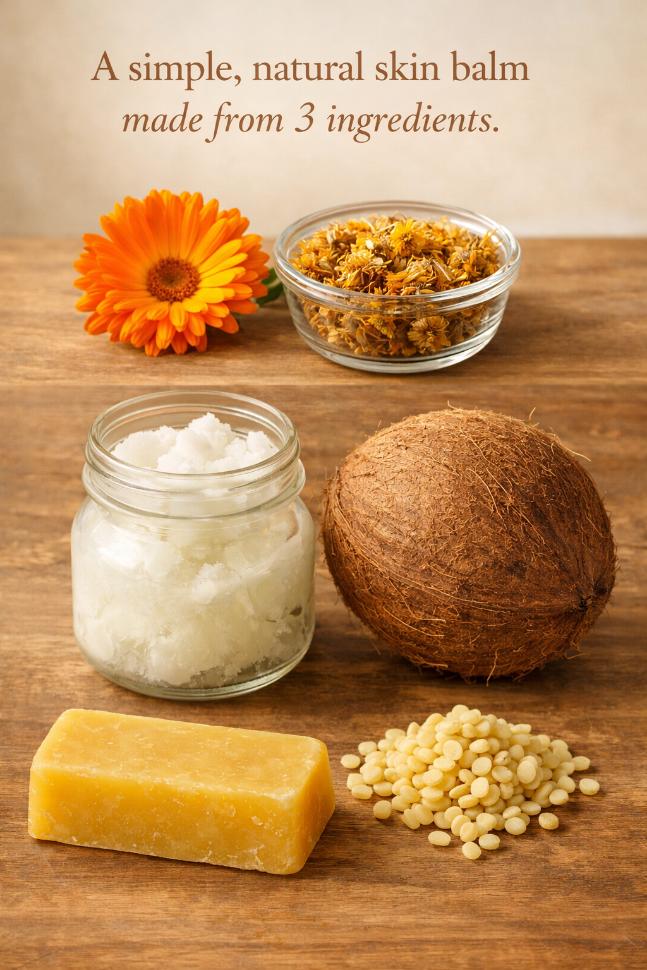
1) ≈20 g dried calendula flowers (Important: use only dried flowers)
2) ≈250 ml organic raw unrefined coconut oil (gently melted in a double boiler if solid)
3) 50 g natural beeswax (pellets or grated block): the general rule is 1 part of emulsifier to 4 parts of herb infused oil
Optional: an essential oil, OR a combinations of oils, such as rosemary, sage, lavender, tea tree (12 drops of essential oils in total)
Equipment:
- Heatproof glass jar (for a faster method), OR a mason jar with lid (for a traditional method)
- Small saucepan (for bain-marie)
- Fine muslin or cheesecloth
- A PYREX measuring jug
- Sterilised tins or glass jars
Step 1: Prepare the Calendula-Infused Oil
Gentle Heat Method (Faster)
- Place dried calendula flowers into a heatproof jar.
- Pour over coconut oil until fully covered.
- Stand the jar in a saucepan with gently simmering water (double boiler method).
- Heat on very low for 1–2 hours. Do not allow water into the jar.
- Strain through muslin while still warm into a PYREX measuring jug.
Slow Solar Infusion (Traditional)
This is the method I actually used.
- Place flowers into the jar (I used a Kilner Wide Mouth Preserve Jar 0.5L (500ml).
- Pour over coconut oil until fully covered, shake gently.
- Leave in a warm, sunny windowsill for 2 weeks. Shake gently every few days.
- Add 1 tbsp of white vinegar.
- Return to the warm, sunny windowsill for another 2 weeks. Shake gently every few days.
- Strain through muslin into a PYREX jug.
The slow method is more traditional and often preferred in herbal practice, but both work beautifully.
Step 2: Make the Salve
1.Melt the beeswax gently in a double-boiler.
2. Add the calendula-infused coconut oil.
3. Stir gently over a bain-marie until fully combined.
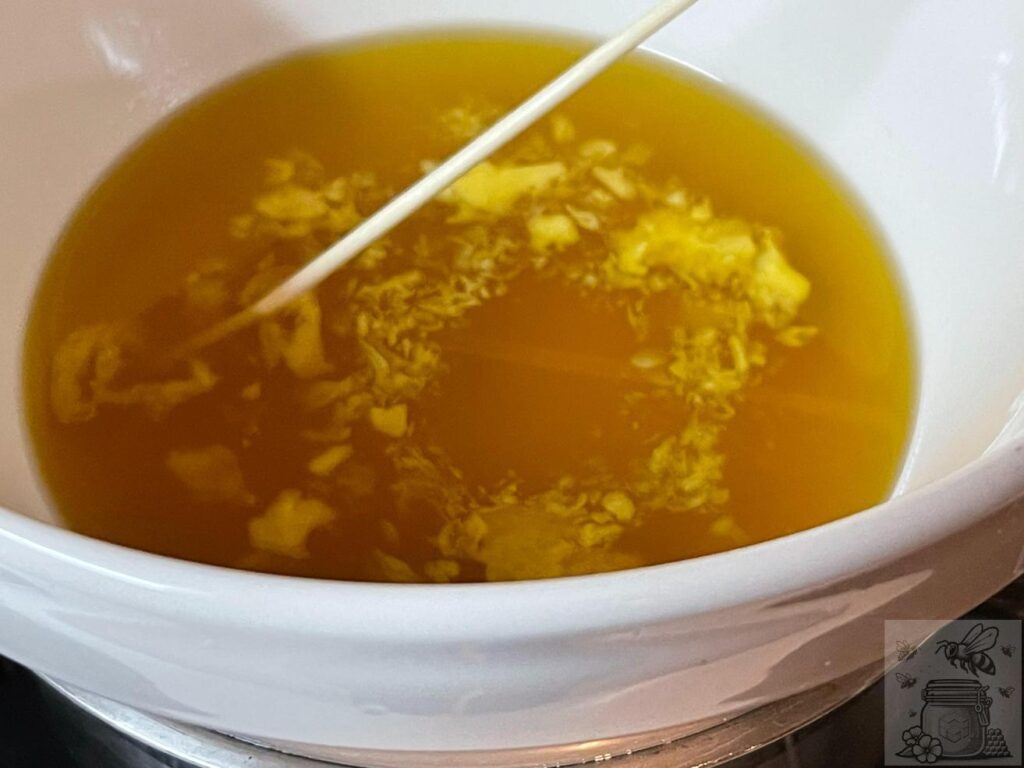
4. Remove from heat. Transfer into a PYREX jug (it will be easier to pour the salve into smaller jars for storage and to see the exact amount of final product).
5. If you wish, add an essential oil(or a mix of oils) and stir.
6. Pour into sterilised tins or jars.
7. Allow to cool completely before sealing.
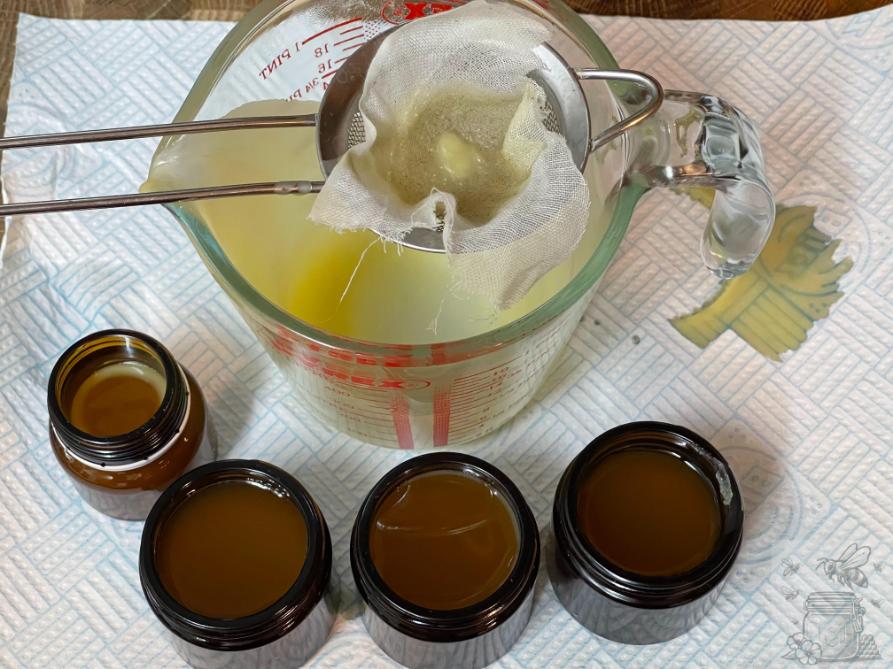
The texture can be adjusted:
- Softer balm: reduce beeswax slightly
- Firmer salve: increase beeswax
Optional Variations
You may adapt this base recipe by adding:
- A teaspoon of raw honey for a softer balm
- A few drops of vitamin E oil
- A small amount of propolis tincture
How to Use
You can apply a small amount to:
- Dry hands
- Elbows and knees
- Chapped lips
- Heels
- After gardening
- Winter wind exposure
It creates a light protective barrier while still allowing the skin to breathe.
A Personal Note
I have mature skin and use the salve as a face balm in the morning. I noticed that I did not need to use a night cream when using this salve. I use it for a month, then I use a salve with different oils for another month, then I go back to this salve, and so on.
When I used it for the first time, I noticed that the skin did not feel clogged.
In fact the skin feels nourished rather than coated. It looks healthy and naturally luminous, not artificially glossy. And I also love that it smells nice and natural.
Sometimes the most traditional formulas are the most effective.
Why Beeswax Makes It Sustainable
Unlike petroleum-based balms, beeswax is:
- Renewable
- Biodegradable
- Locally sourceable (especially if you keep bees yourself)
- A natural by-product of honey harvesting
Using beeswax in DIY skincare supports a more circular, sustainable lifestyle — especially for small-scale beekeepers.
Storage & Shelf Life
- Store in a cool, dark place.
- Use within 18 months.
- Always use clean, dry fingers or a small spatula.
Because coconut oil is naturally stable and beeswax acts as a preservative barrier, this salve keeps well without synthetic additives.