In the far reaches of the South Pacific lies one of the world’s most isolated inhabited islands — Pitcairn Island.
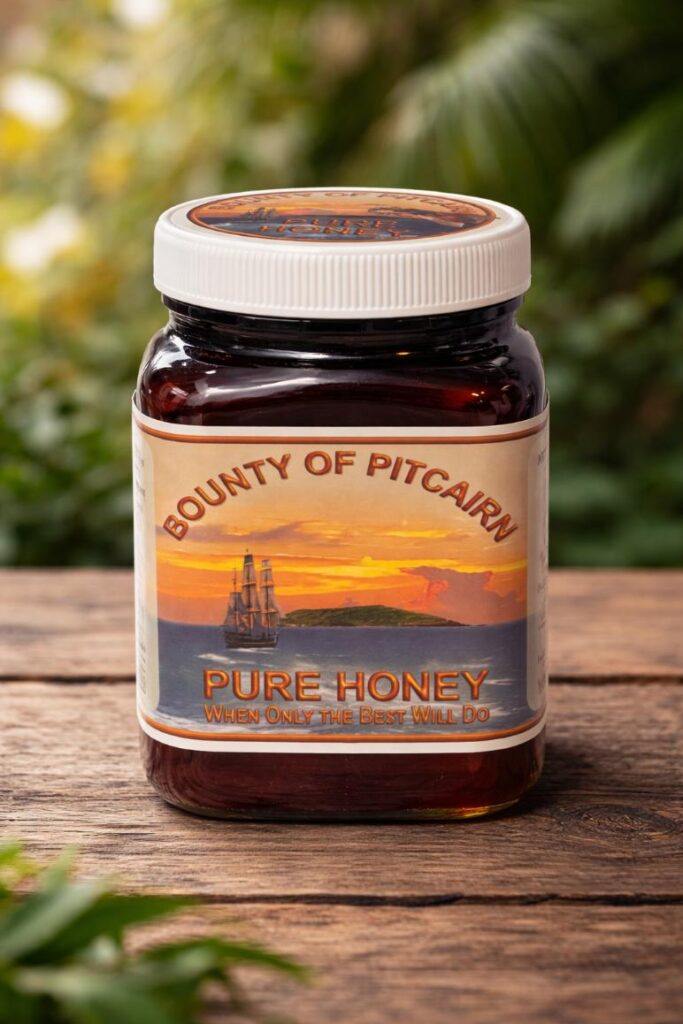
Home to fewer than 50 residents and surrounded by thousands of kilometres of open ocean, this tiny British Overseas Territory produces one of the rarest honeys on Earth.
Pitcairn honey is not rare because of luxury branding or dramatic harvesting conditions. Instead, its rarity comes from geographic isolation, pristine ecosystems, and a unique disease-free bee population.
With limited production, remarkable purity, and a fascinating history linked to the descendants of the HMS Bounty mutineers, Pitcairn honey represents a rare intersection of nature, history, and beekeeping resilience.
Today it is often considered one of the world’s most authentic island honeys — a product shaped entirely by its environment.
Pitcairn honey is one of the most remote and fascinating varieties featured in our guide to the Rare & Luxury Honeys of the World, where we explore some of the most unusual and exclusive honeys ever produced.
Where Is Pitcairn Island?
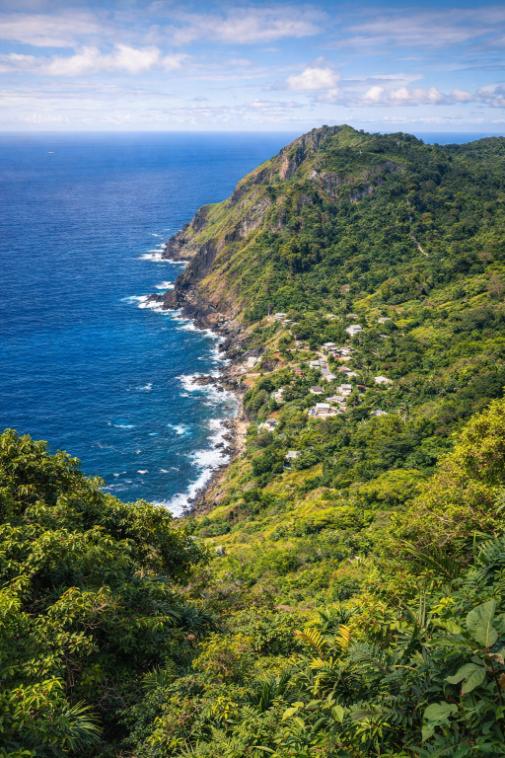
Pitcairn Island sits in the South Pacific Ocean, roughly midway between New Zealand and South America. It is the only inhabited island of the Pitcairn Islands group, a British Overseas Territory.
Key facts about Pitcairn:
- Population: about 40–50 residents
- Land area: roughly 4.6 km²
- Distance from major continents: over 5,000 km from most mainland regions
- Access: typically by ship only, with no airport
This extreme isolation has unintentionally created one of the world’s most protected environments for honey bees.
Unlike many beekeeping regions, Pitcairn has never experienced several major bee diseases and parasites, including the devastating Varroa mite, which affects colonies across most of the world.
This disease-free status is one of the key reasons Pitcairn honey attracts attention among beekeepers and honey enthusiasts.
The Honey Bees of Pitcairn
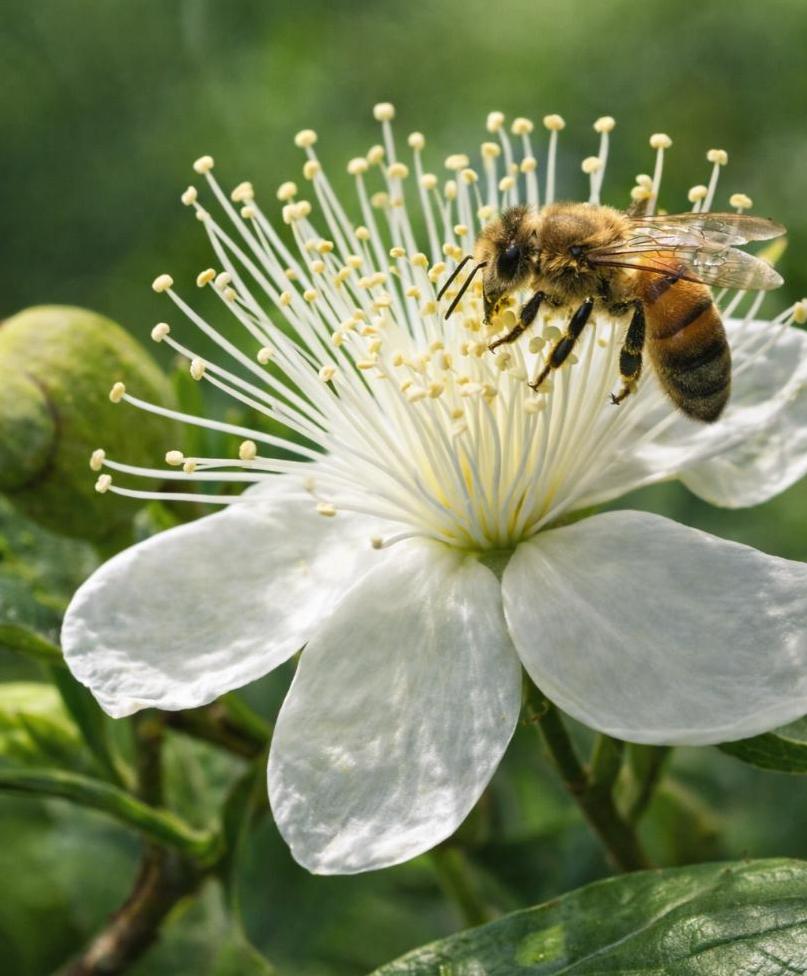
The bees on Pitcairn Island are Apis mellifera, originally introduced by settlers to support food production.
What makes them special is not a unique species, but the conditions in which they live.
Because of the island’s extreme isolation:
• The bees remain free from many global pathogens
• Hive management can remain relatively natural
• The ecosystem surrounding the bees is largely unpolluted and pesticide-free
This allows colonies to thrive in a remarkably stable environment compared to most modern beekeeping regions.
For beekeepers and researchers, Pitcairn represents an example of what honey bee populations might resemble without many of the pressures faced elsewhere in the world.
Flora of Pitcairn Island
Pitcairn’s honey reflects a unique mixture of tropical island flora.
The island’s vegetation includes:
• Wild guava
• Mango
• Banana
• Citrus trees
• Hibiscus
• Passionfruit
• Native flowering shrubs
Because of this diversity, Pitcairn honey is typically considered multifloral (also known as polyfloral), meaning the nectar comes from many plant sources rather than a single dominant flower.
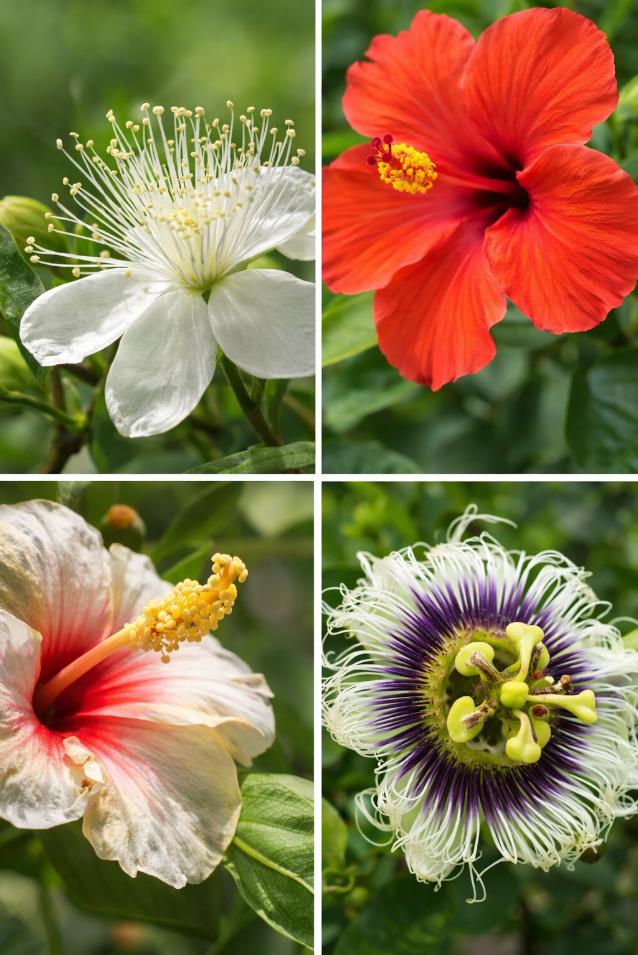
The resulting honey often displays a complex flavour shaped by the island’s subtropical environment.
Flavour Profile
Although harvests vary from season to season, Pitcairn honey is typically described as smooth and aromatic.
| Appearance | Light amber to medium gold, clear and glossy. |
| Aroma | Fresh, floral, with subtle tropical fruit notes. |
| Palate | Balanced sweetness with hints of guava, citrus blossom, and wildflower nectar. |
| Finish | Clean, light, and lingering without bitterness. |
The flavour is often described as bright and delicate, reflecting the island’s diverse plant life.
My Experience Tasting Pitcairn Honey
I first learned about Pitcairn honey through an article in BBKA News, the magazine of the British Beekeepers Association, which I receive as a member of my local beekeeping association. The story immediately caught my attention. The idea of exotic tasting honey from a remote island was too intriguing not to explore further.
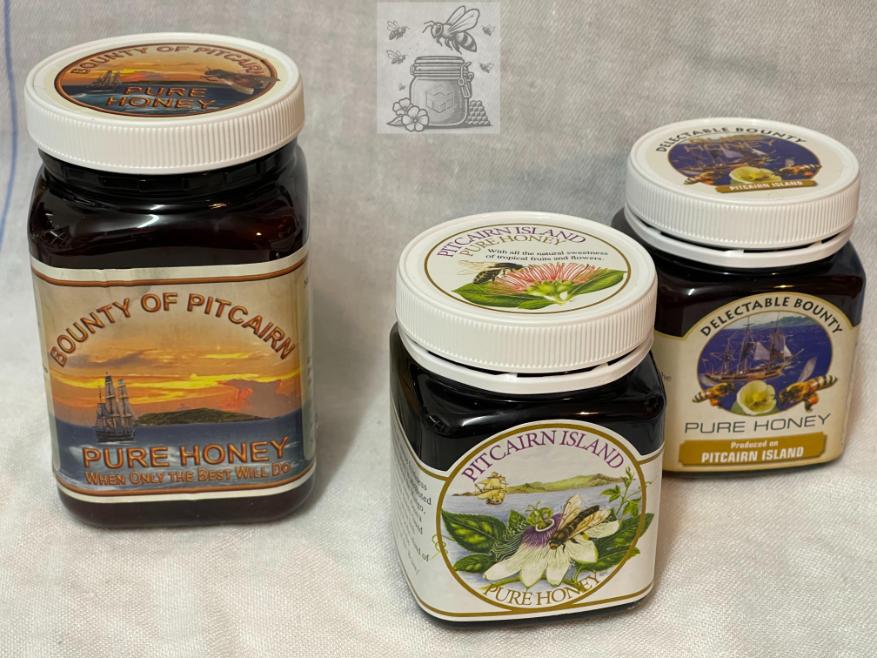
Curiosity soon turned into action, and I decided to order several jars directly from the island. Because Pitcairn has no airport and relies on infrequent ship deliveries, the process required patience. The shipping cost was nearly equal to the price of the honey itself, and the jars took around three months to arrive.
The wait, however, was entirely worthwhile. When I first opened the jar, the aroma was unexpectedly bright and tropical — reminiscent of ripe tropical fruit and warm island blossoms. The flavour was equally distinctive, smooth and delicately complex — my first reaction was “Wow”. Another surprising detail was how slowly the honey crystallised; the liquid jar remained clear for more than a year.
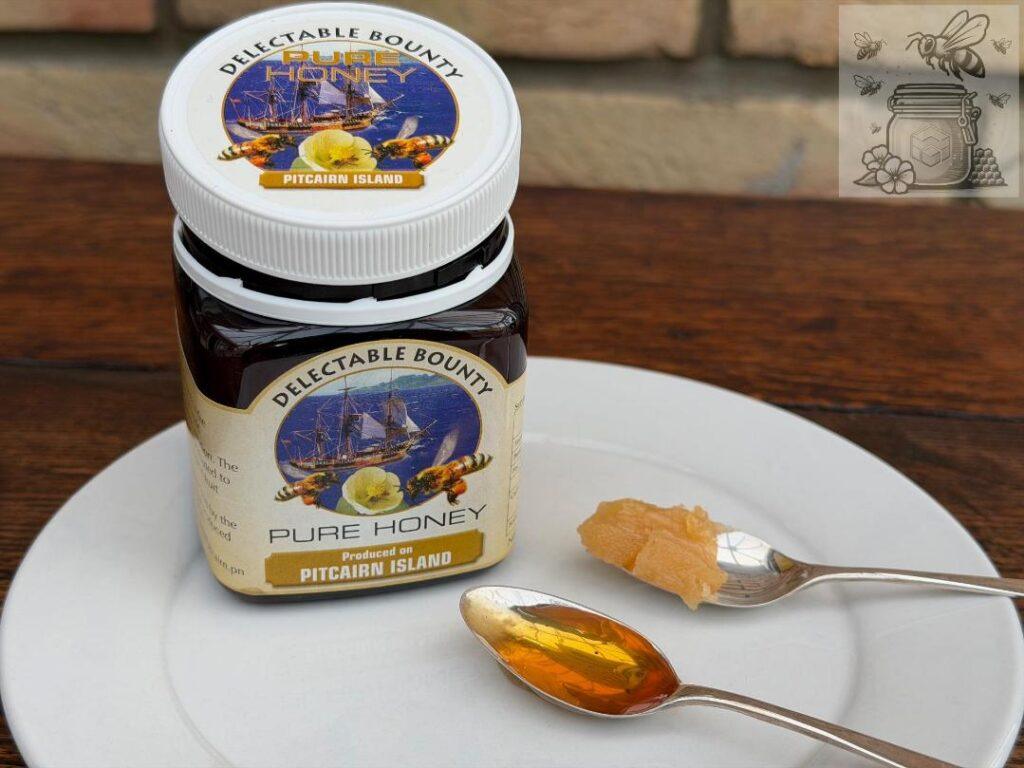
After finishing the first batch, I later placed another order and received two kinds of jars: soft-set honey alongside one liquid jar.
Both types were excellent, each revealing slightly different nuances of the island’s floral sources. It remains one of the most memorable honeys I have tasted.
Why Shipping Pitcairn Honey Takes Months
One of the lesser-known reasons Pitcairn honey remains difficult to obtain is the island’s extreme remoteness. Unlike most honey-producing regions, Pitcairn has no airport and no regular commercial cargo routes.
Supplies and exports typically travel via infrequent supply ships that connect the island to larger Pacific ports. As a result, shipping honey from Pitcairn can take several months from the moment an order is placed to the moment it reaches its destination.
For buyers, this means patience is part of the experience. Orders often wait until the next available ship departure, after which the honey continues its journey across the Pacific before entering international postal networks.
While the wait may seem unusual in today’s world of fast delivery, it reflects the reality of one of the most isolated communities on Earth — and is part of what makes Pitcairn honey such a distinctive product.
Why Is Pitcairn Honey Rare?
Pitcairn honey’s rarity comes from a combination of factors.
1️⃣ Geographic isolation
Pitcairn is one of the most remote inhabited islands in the world.
2️⃣ Extremely small production
Only a handful of island residents keep bees, producing relatively small quantities each year.
3️⃣ Difficult logistics
Shipping honey from the island requires coordination with infrequent supply ships.
4️⃣ Disease-free bee population
The absence of major bee parasites gives Pitcairn honey additional scientific interest.
Together, these factors make Pitcairn honey difficult to obtain and highly distinctive.
Pitcairn Honey and Conservation
Because Pitcairn’s ecosystem is relatively untouched, the island represents an important example of biodiversity preservation.
Protecting its honey bee population requires careful biosecurity:
• Strict control of imported goods
• Monitoring of hive health
• Protection of native vegetation
For such a small community, maintaining healthy pollinators is essential not only for honey production but also for the island’s agriculture.
How Pitcairn Honey Compares to Other Rare Honeys
| Honey | Region | Why Rare | Character |
| Centauri Honey | Turkey | Ultra-limited production, luxury positioning | Mineral-rich |
| Elvish Honey | Turkey | Cave harvesting narrative | Dark and dense |
| Sidr Honey | Yemen | Sacred tree and short bloom | Thick, caramel-like |
| Manuka UMF 35+ | New Zealand | Scientifically certified potency | Bold medicinal |
| Pitcairn Honey | South Pacific | Extreme geographic isolation | Bright tropical |
Pitcairn represents a different form of rarity: ecological purity and remoteness rather than price alone.
Can You Buy Pitcairn Honey?
Because production is very limited, Pitcairn honey is not widely available through typical retailers.
When it appears on the market it is usually sold through:
• Island cooperative initiatives
• Specialty honey retailers
• Occasional export batches organised by the Pitcairn government
Availability can vary significantly from year to year depending on harvest size and shipping schedules.
A Rare Honey Shaped by Isolation
Pitcairn honey is not simply a luxury product. It is a reflection of one of the world’s most remote human communities and the ecosystems that sustain it.
In a globalised food system, where many honeys travel thousands of miles and blend multiple sources, Pitcairn honey remains something rare: a honey defined entirely by a single island.
For honey enthusiasts, it represents not only a taste of the South Pacific, but a reminder of how closely honey reflects the landscape where bees live.
Pitcairn Honey – Frequently Asked Questions
What makes Pitcairn honey unique?
Pitcairn honey is produced on one of the most remote inhabited islands in the world. The island’s isolation in the South Pacific means the bees forage in an exceptionally clean environment with little agricultural activity or pollution. The surrounding tropical flora — including guava, citrus, hibiscus, and passionfruit — gives the honey a distinctive aromatic profile with subtle tropical fruit notes.
Where is Pitcairn Island located?
Pitcairn Island lies in the South Pacific Ocean, roughly midway between New Zealand and South America. It forms part of the Pitcairn Islands, a British Overseas Territory, and has one of the smallest permanent populations in the world. This extreme isolation contributes to the rarity of its honey.
What does Pitcairn honey taste like?
Pitcairn honey is known for a bright, aromatic, tropical fruit flavour profile that differs from many European honeys.
What flowers do Pitcairn bees forage on?
Pitcairn bees forage on a diverse range of tropical plants and flowering trees found across the island’s lush landscape. Common nectar sources include:
- guava blossoms
- hibiscus flowers
- citrus blossoms
- passionfruit flowers
- wild tropical shrubs and coastal plants
This varied floral environment contributes to the honey’s aromatic and slightly tropical flavour profile.
Why does Pitcairn honey take so long to arrive?
Pitcairn Island has no airport and no regular cargo port infrastructure. Goods typically leave the island by ship, which may only travel periodically to larger supply ports in the region. As a result, international orders can take several months to arrive depending on shipping schedules and customs processing.
Does Pitcairn honey crystallise?
Pitcairn honey often remains liquid for extended periods, sometimes over a year. This depends on the natural sugar composition of the nectar sources and storage conditions. Some batches may later develop a soft-set texture.
How can you buy Pitcairn honey?
Pitcairn honey is typically sold directly through the island’s official online shop or authorised distributors. Because production is limited and shipping logistics are complex, availability can vary throughout the year.
Are Pitcairn bees different from other honey bees?
The bees kept on Pitcairn are managed honey bees adapted to the island’s environment. Their isolation and the island’s diverse tropical nectar sources contribute significantly to the distinctive character of the honey.
Is Pitcairn honey considered rare?
Yes. Pitcairn honey is produced in very small quantities due to the island’s tiny population and limited number of hives. Its remote origin and shipping logistics make it one of the more unusual honeys available internationally.
Is Pitcairn honey raw and unprocessed?
Most Pitcairn honey is sold as raw honey, meaning it is typically strained but not heavily processed or pasteurised. This helps preserve the honey’s natural enzymes, aroma, and delicate floral characteristics. As with all raw honeys, small variations in colour, flavour, and texture can occur from batch to batch depending on the season and nectar sources.
How should Pitcairn honey be enjoyed?
Pitcairn honey is best appreciated simply, where its delicate tropical notes can be tasted clearly.
Popular ways to enjoy it include:
- drizzled over yoghurt or fresh fruit
- paired with soft cheeses
- stirred into herbal tea
- spread on warm bread or toast
How does Pitcairn honey compare with other rare honeys?
While many luxury honeys are valued for unique nectar sources or medicinal properties, Pitcairn honey stands out primarily because of its extraordinary geographical origin and limited production.
You can explore more exceptional varieties in our guide to Rare & Luxury Honeys of the World, which highlights some of the most fascinating honeys ever produced.
Is Pitcairn honey worth the price?
For many honey enthusiasts, Pitcairn honey is valued less as an everyday sweetener and more as a rare taste experience from one of the world’s most isolated islands. Its distinctive tropical floral character, small-scale production, and the remarkable logistics required to export it all contribute to its appeal.
While it may cost more than typical supermarket honey — especially once international shipping is included — many buyers consider it worthwhile for the opportunity to taste a honey that reflects the unique ecology and remoteness of Pitcairn Island.