
Choosing where to place your beehive is one of the most important decisions you’ll make as a new beekeeper. A good location helps your colony grow strong, stay healthy, and feel settled. A poor location can lead to damp hives, defensive bees, or colonies that struggle long-term.
It is all about balance — you want to consider both the bees’ needs and your surroundings.
This guide explains exactly what to look for when choosing the right spot for your hive —whether you have a large garden, a small backyard, or a rented plot in a community apiary.
1. Sun, Shade, and Temperature: Finding the Right Balance
Bees thrive when their hive gets morning sun. The warmth encourages early foraging and keeps the colony active throughout the day.
Best practice
- Morning sun, especially between 7–11 am
- Light afternoon shade is helpful in hot climates
- Avoid deep shade (too damp)
- Avoid full-day sun in heatwaves (especially if ventilation is limited)
In the UK, full sun for most of the day usually works well.
2. Wind Protection: Shelter Matters
Strong, constant winds can stress a colony, make inspections difficult, and increase heat loss in winter.
Look for
- A hedge, fence, shed, or bushes acting as a natural windbreak
- Avoid hilltops or exposed corners
- Don’t block the hive completely — bees need airflow, just not a gale
A simple windbreak screen works perfectly if your garden is open.
3. Entrance Direction: Where Should the Bees Fly?
Many beginners worry about which direction the hive should face. The truth is: bees adapt well.
Ideal
- Entrance facing south or southeast
- A clear flight path of at least 2–3 metres
- No obstacles directly in front of the hive
If your garden is small, you can place a screen or tall plants 1 metre in front of the hive so bees fly upward and away from walkways.
4. Water Access: Essential for Healthy Bees
Bees need water to cool the hive, dilute honey, and care for brood. If you don’t provide it, they may visit bird baths, neighbours’ pools, or puddles.
What bees need in a water source:
- Shallow water
- Landing stones, corks, or sticks
- Fresh water, topped up often
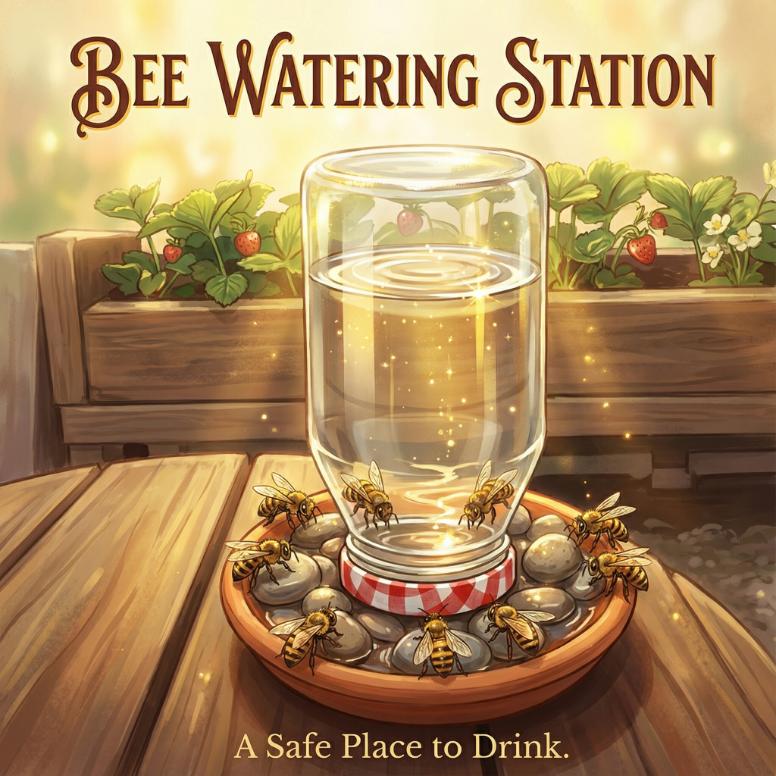
Place water near the hive but not directly beside it (to avoid overcrowding the entrance).
5. Avoid Damp or Low-Lying Areas
Damp environments are one of the biggest threats to hive health. Moisture encourages mould, weak comb buildup, and poor overwintering survival.
Avoid:
- Low dips in the garden
- Constant shade
- North-facing walls
- Tall grass around the hive
- Areas prone to winter pooling
A dry, slightly raised spot is ideal.
6. Neighbours, Pets, Children: Safety First
Bees rarely bother anyone — but a poorly placed hive might.
Consider:
- Keep hives away from property boundaries
- Direct entrances away from neighbouring gardens
- Encourage bees to fly upward using screens or hedges
- Place hives where children and pets do not regularly play
- Keep 2–3 metres of clear working space behind the hive for inspections
Good placement prevents misunderstandings and keeps your bees — and neighbours — happy.
7. Access for You: Don’t Forget the Beekeeper
You will be carrying supers, heavy boxes, and tools. Make sure you can reach the hive safely and comfortably.
Requirements:
- Space behind the hive for lifting and inspections
- Flat, steady ground
- Easy access for carrying equipment
- Not too far from storage or your house
Practical placement makes beekeeping more enjoyable.
8. Hive Stands and Height: Keep the Hive Off the Ground
Raising your hive protects it from damp, pests, and back strain.
Good stand height:
- 30–45 cm off the ground
- Stable
- Weather-proof
- Tall enough to offload weight from your back during inspections
Avoid placing hives directly on soil or grass.
9. Legal Checkpoints and Good Practice
While most UK areas don’t require permits, it’s important to:
- Check local regulations
- Understand local nuisance laws
- Keep colonies manageable and healthy
- Avoid overcrowding small spaces
- Communicate with neighbours if appropriate
Responsible placement builds trust in your beekeeping.
10. Good and Bad Location Examples
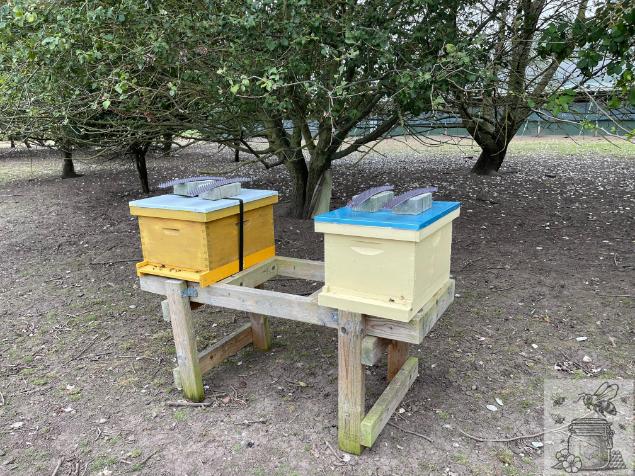
Ideal spot:
- Sun in the morning
- Light shade in the afternoon
- Fence or hedge behind
- Clear entrance path
- Level ground
- Easy access
- Water source nearby
- Raised stand
Bad spot:
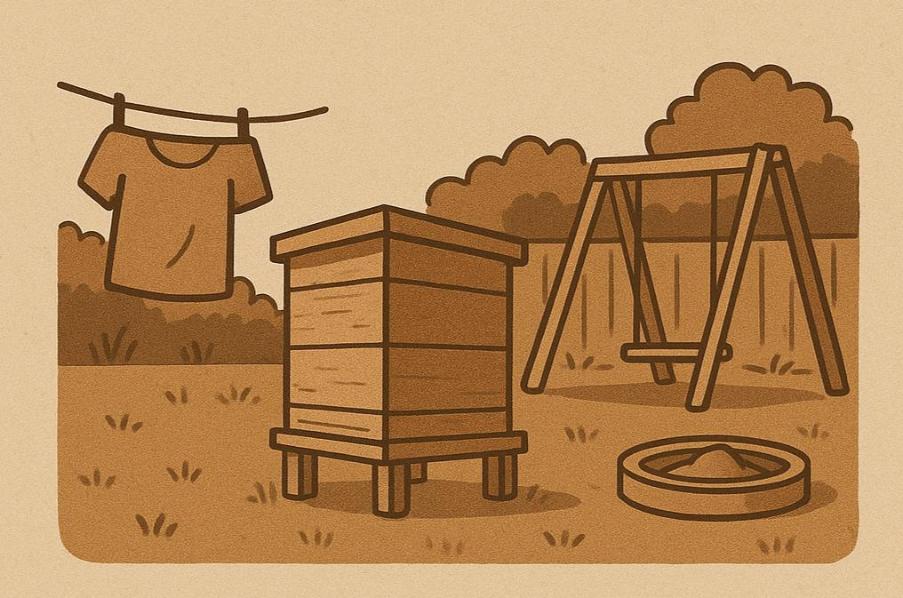
- Boggy or shady corners
- Near washing lines
- Next to play areas
- Facing neighbours’ gardens
- Windy, exposed positions
- Tight corners where you can’t work comfortably
Final Thoughts
Your hive location sets the foundation for your bees’ success. Choose a spot that is sheltered, dry, easy to access, and respectful of neighbours — and you’ll be off to a great start.
With the right placement, your colony will grow healthier, calmer, and more productive throughout the season.
👉 If you would like to learn about the mistakes from my personal experience, you can find it in How I Started Beekeeping: My Practical Steps & First Lessons.