Often referred to as “bee glue,” propolis is one of the hive’s most purposeful and underestimated substances. Collected from plant resins and transformed by bees, it serves as the colony’s primary line of defence against pathogens and structural threats.
Today, growing interest in propolis health benefits reflects what bees have always known: this resinous material is not food, but protection — carefully applied, never wasted, and essential to hive survival.
What Is Propolis?
Propolis is a sticky, aromatic resin made by honey bees from:
- plant resins (tree buds, bark, leaf exudates)
- beeswax
- enzymes from bee saliva
Once processed, bees use propolis to:
- seal cracks and unwanted openings in the hive
- smooth internal surfaces
- reinforce comb structures
- create an antimicrobial barrier against pathogens
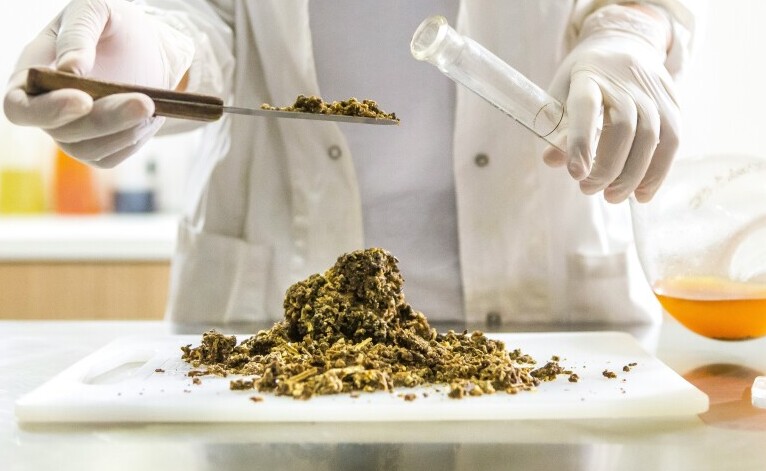
The name actually comes from Greek: ‘pro’ (before) and ‘polis’ (city), basically meaning ‘defender of the city’.
How Bees Collect and Use Propolis
Worker bees gather resin from plants using their mandibles, then carry it back to the hive in their pollen baskets. Inside the hive, the resin is mixed with wax and enzymes, becoming workable propolis. This task is typically performed by older worker bees who have more experience navigating and processing different materials.
Bees apply it strategically for:
Structural Reinforcement
Bees use propolis to strengthen the hive structure, filling in small gaps (those larger than 2-3 mm are typically filled with beeswax instead). This fortification helps maintain the hive’s integrity and prevent drafts.
If you ever tried to open a hive, you have definitely experienced how difficult it is sometimes as the parts of the hive are as if “glued” together, and taking frames out can be a bit of a challenge sometimes.
Antimicrobial Barrier
Propolis has strong antimicrobial properties, which bees use to protect the hive from infections by bacteria, viruses, and fungi. It creates a barrier that inhibits the growth of pathogens, contributing to the overall health of the colony.
Hive Hygiene
Propolis is used to coat the interior surfaces of the hive, creating a sterile environment. It is also employed to “mummify” intruders that are too large to be removed, preventing decay and contamination.
Thermoregulation
By sealing cracks and crevices, propolis helps regulate the internal temperature and humidity of the hive, ensuring a stable environment for the bees.
Little-known facts:
Propolis helps create what researchers call “social immunity” — a collective defence that reduces the need for individual bees to activate their immune systems, conserving colony energy.
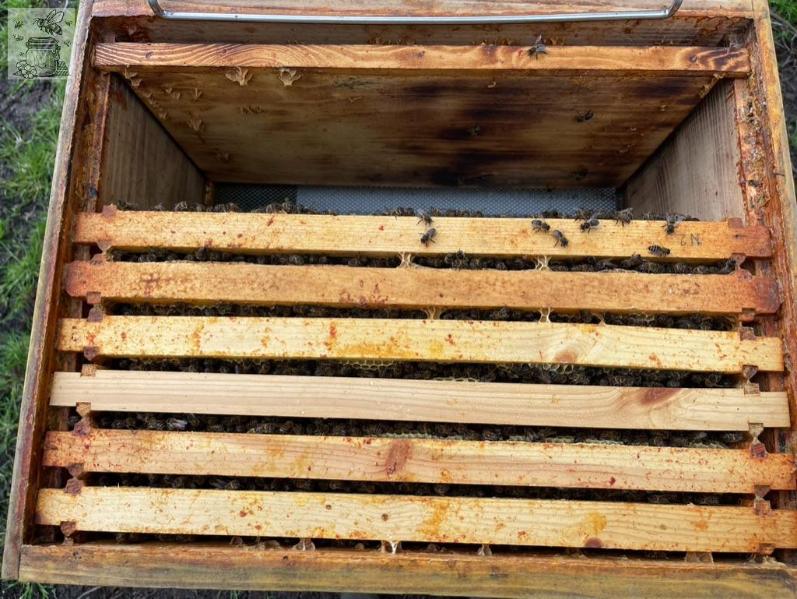
In this photo you can see a dense looking brown substance connecting the side ends of each frames to the brood box.
In warm weather it is sticky and pliable, and when it is cold it is brittle, so when the frames are pried apart, there is quite a loud “cracking” noise.
While propolis is often described as the hive’s immune system, it works alongside other protective substances. Beeswax creates a physical barrier against pathogens, while bee venom activates acute defence mechanisms — together forming a layered system of protection, repair and response.
Chemical Composition: Why Propolis Is So Bioactive
Propolis is a complex mixture containing more than 300 compounds, and its exact composition can vary significantly depending on the geographical location. Factors like local flora, climate, and even the specific bee species affect its makeup. For instance, propolis from Europe can have different dominant components compared to propolis from South America.
This natural variability is one reason its properties are so complex and difficult to replicate synthetically.
In general the primary components of propolis include:
1. Resins and Balsams (50-60%)
These are primarily plant-derived resins rich in:
- Phenolic acids and esters
- Flavonoids (flavones, flavonols, flavanones, flavanonols)
These compounds are responsible for most of the antioxidant, antimicrobial, and anti-inflammatory properties associated with propolis.
Beeswax (≈ 25–35%)
It can approach 40% in some samples depending on:
- Bee species
- Harvest method
- Climate
Beeswax is a mixture of long-chain aliphatic hydrocarbons, free fatty acids, esters, and other organic compounds which contributes more to structure and stability than biological activity.
Essential Oils & Volatile Compounds (≈ 5–10%)
These include:
- Terpenes
- Aromatic aldehydes (e.g. vanillin)
- Cinnamic acid derivatives
They are responsible for some antimicrobial and antifungal activity, as well as propolis’ characteristic aroma.
Pollen (typically 2–5%, present incidentally)
Pollen is present incidentally due to foraging and handling. It is not intentionally added by bees.
Vitamins, Amino Acids & Enzymes — present in trace amounts
Propolis does contain:
- Vitamins (B-complex, C, E)
- Amino acids
- Enzymes
…but:
Biological activity is mainly due to polyphenols, not vitamins.
They occur in small or trace quantities.
They are not a major nutritional contribution.
Colour and Aroma of Propolis
Colour
Propolis can vary in colour, ranging from yellow, green, red, and brown to black, depending on its botanical origin. The most common colors are brown and greenish-brown (for example, brazilian green propolis).
Aroma
Propolis has a distinctive, aromatic odour that is often described as a combination of honey, resin, and vanilla, with a slightly balsamic undertone. The smell can vary based on the plant sources from which it was collected.
Physical Forms of Propolis
Propolis exists in several physical forms, depending on how much it has been processed.
Raw (crude) propolis
Collected directly from the hive and appears as sticky lumps or brittle fragments that harden when cold. It contains plant resins, beeswax, and natural debris and is rarely used directly.
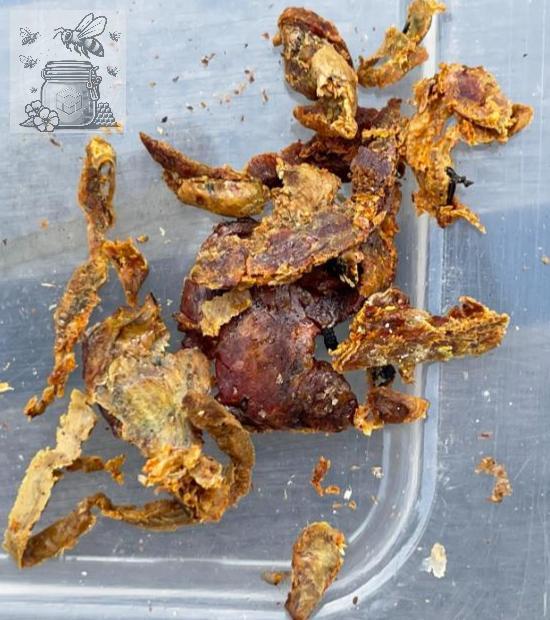
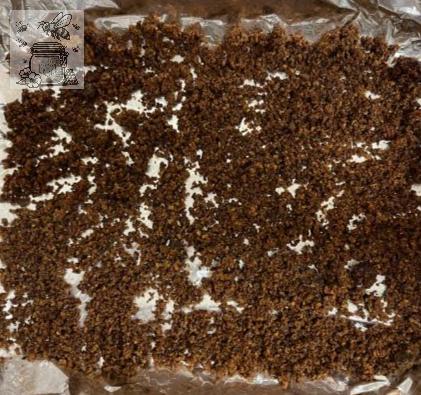
Prepared solid propolis
Refers to cleaned, frozen, or finely ground propolis that has not been extracted. This form is typically used as a raw material for tinctures, extracts, and topical preparations.
Liquid or semi-liquid forms produced by dissolving propolis in solvents such as alcohol, water, glycerine, or oil. These extracts concentrate bioactive compounds and are the most commonly studied form in scientific research.
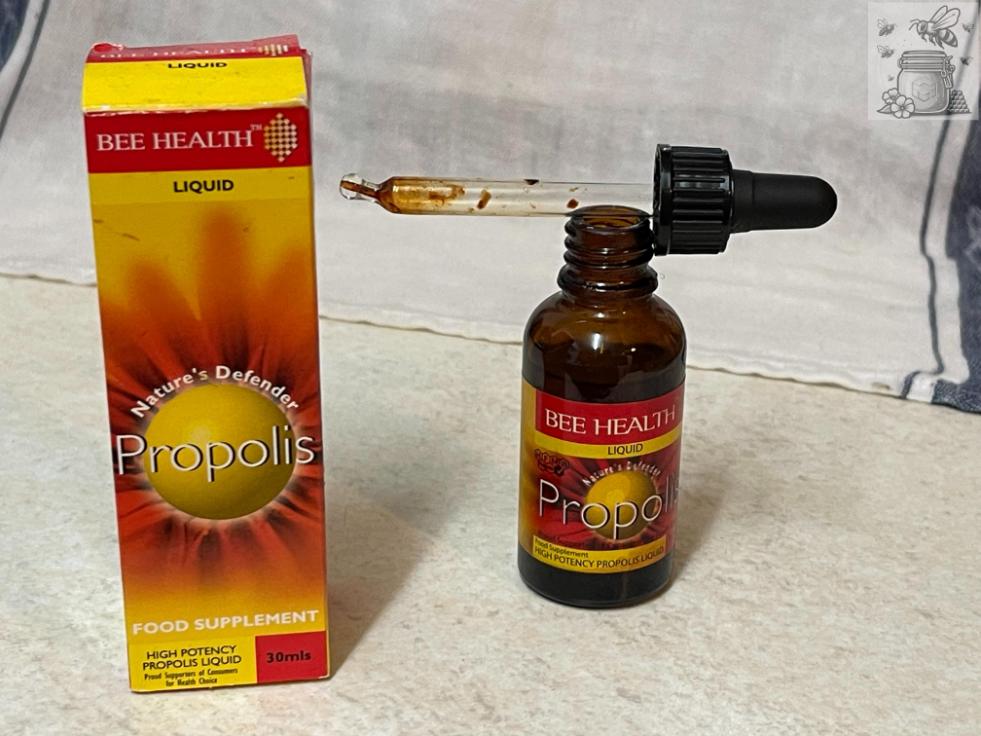
Formulated propolis products, including capsules, ointments, sprays, and cosmetics, contain propolis extracts but are not considered physical forms of propolis itself.
Propolis Density: Is It Heavier Than Water?
Yes — propolis is generally denser than water, but behaviour varies due to composition.
Density basics
- Water density ≈ 1.0 g/cm³
- Propolis density typically ranges between ~1.1–1.3 g/cm³
This means:
- Pure propolis tends to sink in water
- However, raw propolis may float initially due to:
- Trapped air
- Wax content (wax is lighter than water)
- Irregular shape
Once wetted and degassed, it usually sinks.
Propolis Health Benefits: What Research Suggests
Humans have been using propolis for centuries. Scientific studies associate propolis with several biological activities:
Antimicrobial & Antibacterial
Propolis REALLY shines when it comes to its antibacterial properties. It has actually earned the nickname ‘nature’s antibiotic’ due to its strong antibacterial properties. Unlike synthetic antibiotics, which often target specific bacterial strains, propolis has a broad-spectrum antibacterial effect. It works against a wide range of pathogens, making it a versatile and effective natural remedy.
Another significant advantage of using propolis over synthetic antibiotics is the reduced likelihood of developing antibiotic resistance. Bacteria can quickly adapt and become resistant to synthetic drugs, but the complex chemical nature of propolis makes it harder for pathogens to develop resistance.
Propolis inhibits the growth of bacteria, fungi, and some viruses, making it useful in:
- Oral health products
- Topical preparations
- Preservative-like roles in formulations
Antioxidant
Propolis is recognised as a potent natural antioxidant due to its exceptionally high concentration of flavonoids, phenolic acids, phenolic esters (such as caffeic acid phenethyl ester – CAPE), and aromatic acids.
These compounds act as free-radical scavengers, helping to neutralise reactive oxygen species (ROS) that contribute to cellular damage, premature ageing, and chronic disease development.
Comparative studies have shown that the antioxidant activity of propolis is equal and in some cases even higher that of well-known antioxidant-rich substances such as vitamin C and green tea extracts.
The antioxidant capacity of propolis varies depending on its botanical and geographical origin, but is strongly connected with total polyphenol content, making propolis one of the most concentrated antioxidant bee products studied to date.
Anti-Inflammatory
One of the reasons propolis has been valued for centuries is its natural ability to help calm inflammation in the body. Inflammation is part of our immune defence, but when it lingers for too long, it can contribute to discomfort, fatigue, and a wide range of chronic issues.
Propolis contains a rich mix of plant compounds that help the body dial down excessive inflammatory responses, rather than shutting them off completely. This gentle balancing effect may explain why propolis has traditionally been used for sore throats, irritated skin, mouth ulcers, joint stiffness, and digestive discomfort.
Modern research supports this traditional wisdom. Studies show that compounds in propolis help reduce the release of substances in the body that trigger swelling, redness, and irritation. At the same time, propolis appears to support the body’s natural healing processes, making it particularly useful during periods of physical stress or recovery.
Unlike many synthetic anti-inflammatory products, propolis works in harmony with the immune system, helping it respond appropriately instead of overpowering it. This makes propolis a popular choice for people seeking natural, everyday support for inflammatory stress — especially when used consistently and responsibly.
Propolis for Oral & Skin Health
Propolis has been studied for:
- Gum health and plaque reduction
- Wound healing and skin regeneration
- Soothing irritated or compromised skin
Propolis-infused mouthwash can help maintain oral health by targeting bacteria that cause plaque and gum disease.
One common use of propolis is for treating minor wounds, burns, and cuts. It not only speeds up the healing process but also provides a protective barrier against infections. Some studies have shown that propolis can be just as effective as traditional wound care methods, if not more. When applied to wounds, propolis forms a thin layer that shields the area from bacterial invasion while promoting tissue regeneration.
Some trials have shown that propolis can significantly improve the healing rate of cold sores and reduce their recurrence.
Skin conditions such as rosacea, eczema and psoriasis, which are often driven by inflammation, can also benefit from propolis. Its anti-inflammatory properties help in soothing irritated skin and reducing the symptoms associated with these conditions.
There are suggestions that propolis can support collagen production, making it a valuable component in anti-aging skincare formulations.
Note: While research is promising, propolis is not a medicine. It should be viewed as a supportive natural substance rather than a treatment.
Modern Uses of Propolis
Today, propolis appears in many forms:
- Alcohol-based tinctures
- Water-based extracts (gentler, less stable)
- Capsules and powders
- Oral sprays and lozenges
- Creams, balms, and serums
- DIY salves, soaps, and infused oils
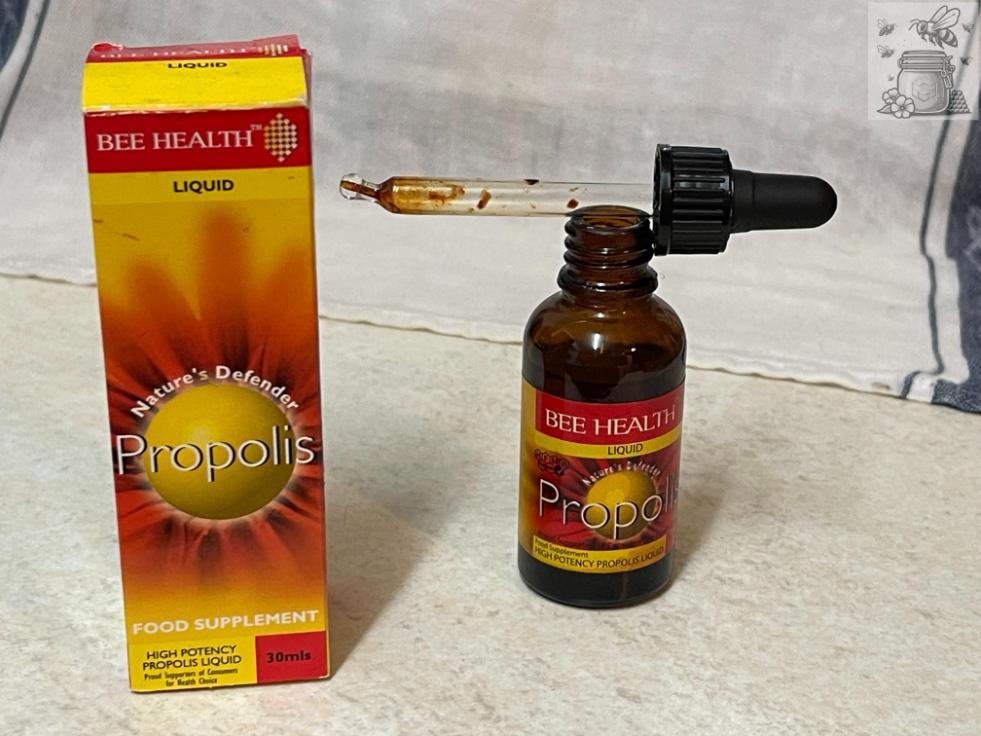
Its versatility stems from its dual role: protective and restorative.
A Note From My Own Beekeeping Practice
Propolis is one of the bee products I use most regularly in my own home.
It has been indispensable over the years, and on one occasion it literally saved my health when I had a huge problem with my liver.
I regularly incorporate propolis into simple home preparations, and many of these are shared as step-by-step guides in the “Bee Products in DIY” section of this site. For me, propolis isn’t a trend ingredient — it’s a practical, time-tested substance that earns its place through function rather than hype. When I extract honey from my beehives, I filter it minimally, and I can actually taste a hint of propolis in it.
Many people have also shared their positive experiences with propolis. Some have found that regular propolis supplementation helps reduce colds and other minor infections. Others believe it helps them recover more quickly when they do fall sick.
Contraindications and Considerations for Safe Use
Propolis is undoubtedly beneficial, but it’s important to use it wisely. Like any natural remedy, it comes with potential side effects and considerations. Some individuals may experience allergic reactions, particularly those who are allergic to bee products or have asthma.
Potential side effects include skin irritation, especially when using propolis topically for the first time. Internally, propolis can cause gastrointestinal discomfort in some people. If you’re pregnant, breastfeeding, or have a serious health condition, it’s always best to consult with an apitherapist before starting any new supplement.
Proper dosage is another key factor. While there isn’t a standardised dosage for propolis, starting with small amounts can help gauge your body’s response. Product labels usually provide recommended dosages.
Quality and source matter when selecting propolis products. Choose reputable brands that provide detailed information about sourcing and production. Organic or sustainably sourced products can also be a better choice to avoid contaminants.
Using propolis responsibly ensures you can enjoy its benefits while minimising risks. Always pay attention to how your body reacts, and don’t hesitate to seek professional advice of an apitherapist, if you experience any adverse effects.
Sustainability and Ethical Harvesting
Propolis plays a critical role in hive health, so over-harvesting can weaken colonies.
Ethical producers:
- Harvest only excess propolis
- Avoid stripping hive interiors
- Use propolis traps responsibly
- Prioritise colony strength over yield
Choosing propolis from transparent, small-scale or sustainability-focused producers helps protect bees and ecosystems alike.
Little-Known Facts About Propolis
- Ancient Egyptians used propolis in embalming practices
- The colour of propolis can range from pale yellow to deep black
- Some hives produce propolis so effective it sterilises the interior air
- Bees increase propolis use when disease pressure rises
- Propolis is one of the few bee products not consumed by bees — it is purely functional
Myths About Propolis
Myth: Propolis works the same everywhere
✅ Reality: Its properties depend heavily on local flora
Myth: More propolis means better health
✅ Reality: Small, targeted use is more appropriate
Myth: Propolis can replace antibiotics
✅ Reality: Propolis is not a substitute for medical treatment, and it depends on an individual case. Sometimes using propolis may be enough, in other cases propolis may support health in general and minimise the side effects of a medication or treatment.
FAQs
What are the main propolis benefits?
Propolis benefits include antimicrobial protection, antioxidant support, and skin and oral health applications.
What are common propolis extract uses?
Propolis extracts are used in oral sprays, tinctures, skincare products, and natural DIY remedies.
Can propolis be taken daily?
Short periods are common, but breaks are advised.
Is propolis tincture better than raw propolis?
Raw propolis is difficult to use; extracts/ tinctures improve usability and absorption.
Does propolis expire?
Yes — especially water-based products. Alcohol extracts last considerably longer.
Final Thoughts
Propolis reveals a side of the hive that is often overlooked: not nourishment, but protection. It is the bees’ answer to infection, decay, and structural weakness — a reminder that health begins with prevention.
Alongside honey, bee pollen, bee bread, and royal jelly, propolis completes the picture of how bees sustain their colony through balance, restraint, and precision.
To explore how propolis fits within the wider world of hive substances, you may wish to visit our Complete Guide to Beehive Products, where each remarkable material is explored in context — just as the bees intended.