Honey bees are nature’s most diligent workers, known for producing honey — a golden treasure cherished for its taste and health benefits. But honey is just the tip of the iceberg. Inside a healthy hive, bees create an impressive range of natural substances — each with its own purpose, method of production, and value to humans.
The benefits of some beehive products, like honey and beeswax, have been enjoyed for thousands of years. Others, such as propolis, bee bread, or royal jelly, are still relatively unknown outside beekeeping and natural health circles.
This guide brings together all major products made by honey bees, explaining what they are, how bees produce them, and how people use them — from food and skincare to traditional remedies and modern research. It also serves as a starting point for deeper exploration, with links to detailed articles on each product.
What Are Bee Products?
Bee products are natural substances created by honey bees either directly from plant materials (such as nectar, pollen, or resins) or produced within the hive using the bees’ own glands.
Broadly, bee products could be placed into three categories:
- Food products – honey, bee pollen, bee bread, royal jelly
- Structural or protective substances – beeswax, propolis
- Specialised biological products – bee venom, apilarnil
Each plays a vital role in the survival of the colony — and many also offer nutritional, practical, or therapeutic benefits to humans.
Honey — The Most Recognised Bee Product
Honey is produced when bees collect nectar from flowering plants or sugary excretions (honeydew) of sap-sucking insects and transform it through enzymatic activity and evaporation inside the hive. The result is a stable, energy-rich food that can be stored long-term.
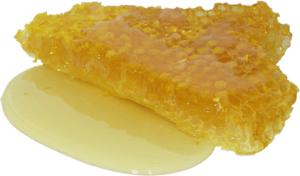
In the hive honey is stored in the form of a honeycomb — made entirely of beeswax and filled with honey, it is both a delicacy and a functional food. Chewing honeycomb offers a unique sensory experience while delivering raw honey’s full spectrum of enzymes and nutrients.
Uses of Honey
- Natural sweetener and food ingredient
- Antibacterial and antimicrobial applications
- Traditional wound care and cough remedies
- Fermentation (mead and honey wines, plus others, like garlic ferment)
- Skincare and cosmetic formulations
The flavour, colour, and aroma of honey vary depending on floral source, region, and season — which is why single-origin and raw honeys are highly valued.
👉 You can find more in the following detailed guides:

Bee Pollen — Nature’s Nutrient-Dense Granules
Bee pollen consists of pollen grains collected from flowers and packed by bees using nectar and enzymes. It is carried back to the hive as small pellets and stored as a protein source.
In this photo you can see this treasure in the form of a sphere on the hind leg of the honey bee — “pollen basket”. It’s the fine powdery substance that bees gather from flowers.
Every tiny grain is a cocktail of vitamins, minerals, proteins, lipids, and carbohydrates. No wonder it’s sometimes called “nature’s multivitamin”.

Uses of Bee Pollen
- Nutritional supplement
- Added to smoothies, yogurt, or salads
- Source of amino acids, vitamins, minerals, and antioxidants
Bee pollen is often described as a “superfood,” though its composition varies depending on plant sources. It should always be introduced gradually, especially for people with pollen sensitivities.
👉 For a deeper look at its nutritional value, safety guidelines, dosage, preservation, and much more, see our comprehensive guide: Bee Pollen Benefits & Myths: What Science Really Says.
Bee Bread — Fermented Pollen with Enhanced Bioavailability
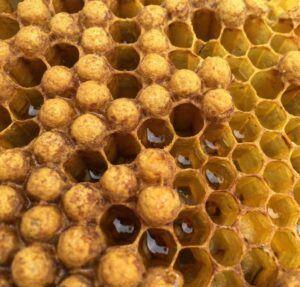
Bee bread is made when stored pollen undergoes natural fermentation inside the hive. This process breaks down pollen walls and increases nutrient availability.
Why Bee Bread Is Different

- Easier to digest than raw pollen
- Higher bioavailability of nutrients
- Primary protein source for young bees
Human Uses
- Traditional tonic in some cultures
- Used for energy, digestion, and immune support
Bee bread is less commonly harvested than pollen but is gaining interest for its nutritional profile.
👉 Explore the full story in: Bee Bread: The Forgotten Hive Food with Remarkable Benefits
Royal Jelly — The Queen’s Exclusive Food
Royal jelly is a milky secretion produced by worker bees to feed larvae and the queen bee.
While all larvae receive royal jelly initially, only the queen continues to consume it throughout her life — a key factor in her size, fertility, and longevity.

Uses of Royal Jelly
- Dietary supplements
- Skin and cosmetic products
- Studied for potential effects on energy, skin health, and ageing
Royal jelly is highly perishable and sensitive to heat and light, which makes sourcing and storage particularly important.
👉 Find out more about Royal jelly benefits, harvesting, and myths.
Propolis — The Hive’s Natural Defence System
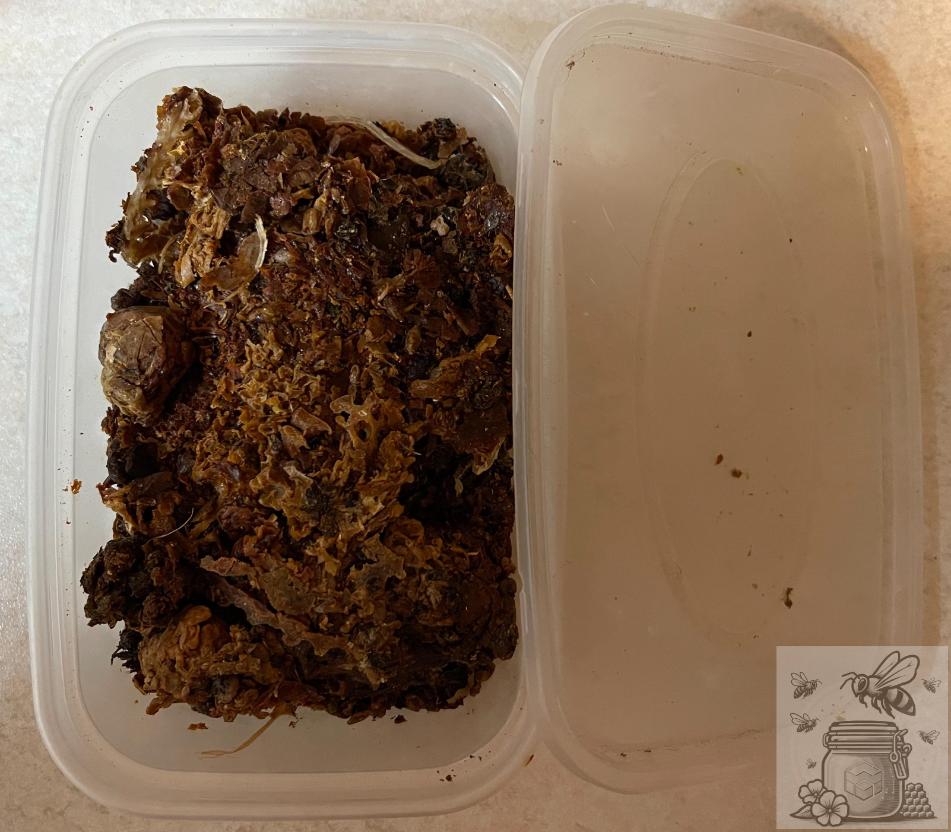
Propolis is a resin-like substance honey bees create from plant resins, wax, and their own enzymes. Bees use it to seal cracks, sterilise surfaces, and protect the hive from pathogens.
Known for its antimicrobial, antifungal, and anti-inflammatory properties, propolis has been used for centuries in traditional medicine.
Uses of Propolis
- Oral health products (sprays, lozenges, toothpaste)
- Tinctures and extracts
- Skincare and wound care
- Natural preservative properties
Modern science continues to uncover its potential for treating infections, boosting immunity, and more.
👉 You can discover fascinating things about propolis in the detailed guide Propolis: The Bee’s Secret To Powerful Health Benefits.
Beeswax — The Building Material of the Hive
Beeswax is secreted by worker bees and used to construct honeycomb cells for brood rearing and food storage.
Uses of Beeswax
- Candles
- Cosmetics and skincare
- Furniture polish and wood treatment
- Food wraps and coatings
- Traditional craft and household uses
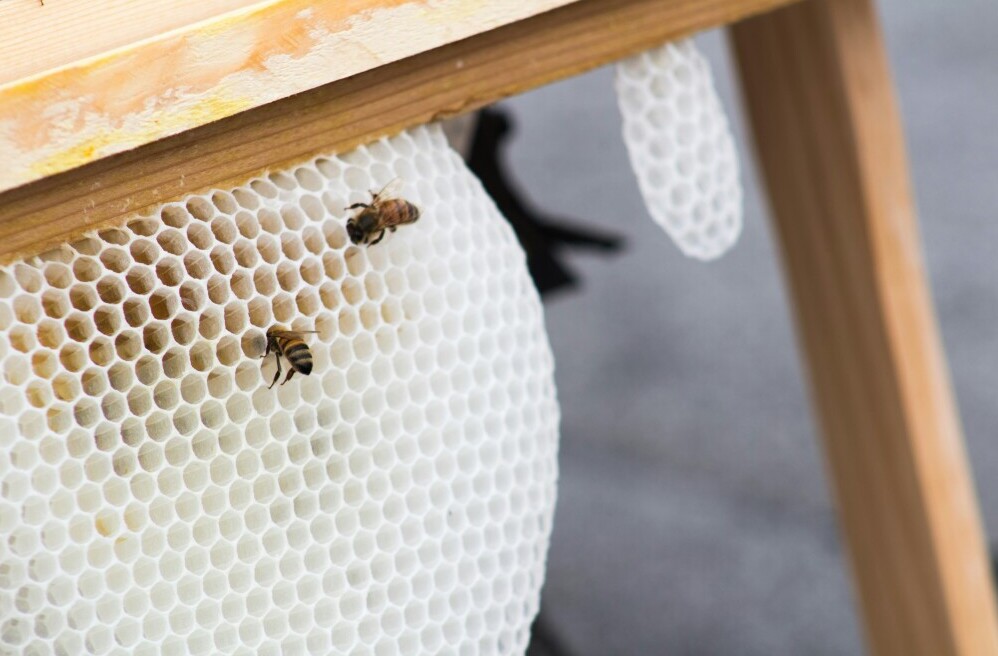
Pure beeswax burns cleanly and has a natural honey scent, making it popular for candles and balms. Beeswax is especially valued among people seeking the best bee products for home use, thanks to its versatility, long shelf life, and natural origin. In addition to candles and food wraps, beeswax is one of the widely used beehive products for skincare — in lip balms, salves, and creams it acts as a natural emulsifier and protective barrier.
👉 Discover various practical uses of beeswax at home in the article What Is Beeswax And How To Use It For Sustainable Living.
Bee Venom — A Powerful Defensive Substance
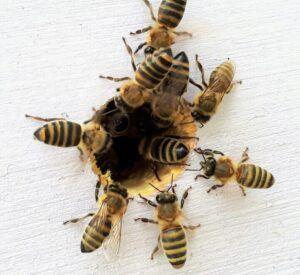
Bee venom is produced by worker bees as a defence mechanism. While commonly associated with stings, purified venom (rich in peptides and enzymes) has been studied for its potential therapeutic properties, such as in treating arthritis, multiple sclerosis, and even certain cancers.
Uses and Research
- Apitherapy (alternative medicine)
- Studied for inflammatory and immune-related conditions
Bee venom therapy, though controversial, has a growing following in alternative medicine.
⚠️ Bee venom can cause severe allergic reactions and should never be used without proper medical guidance.
👉 You can find out more in the article Bee Venom Made Simple: Traditional Use, Modern Research & Safety.
Apilarnil: A Lesser-Known Bee Product
Apilarnil is produced from drone larvae and is one of the least known bee products. It contains proteins, lipids, vitamins, and hormones and is primarily used in supplement form in some regions.
Current Uses
- Nutritional supplements
- Traditional tonic in some cultures
Due to ethical, regulatory, and cultural considerations, apilarnil remains a niche product.
👉 Not all claims about apilarnil are equally supported.
If you want the evidence, context, and practical guidance in one place, read our full article: Apilarnil: Claims, Research & How To Make It At Home.
Benefits of Using Beehive Products in Everyday Life
Honey bee products appeal to people seeking natural, multifunctional alternatives to highly processed goods. Their popularity continues to grow as more people explore beehive products for health benefits, skincare, and sustainable living.
Beehive Products for Health Benefits
Many bee products are naturally rich in enzymes, antioxidants, vitamins, and bioactive compounds. Honey, bee pollen, bee bread, royal jelly, and propolis are commonly used to support:
- energy and nutrition
- immune function
- digestion and gut health
- traditional wellness practices
While they are not medicines, beehive products have long been valued in traditional systems and are increasingly studied in modern research.
Beehive Products for Skincare
Beeswax, honey, propolis, and royal jelly are widely used in natural skincare formulations. They are prized for their:
- moisturising and protective properties
- antibacterial and soothing effects
- ability to support the skin barrier
This makes beehive products popular in balms, creams, soaps, masks, and lip care products.
Best Bee Products for Home Use
Some bee products are particularly practical for everyday household use, including:
- Beeswax for candles, food wraps, and furniture polish
- Honey for cooking, preserving, and fermentation
- Propolis in natural cleaning and protective applications
These products offer functional alternatives to synthetic or single-use items.
Beehive Products for Sustainable Living
Beehive products align well with low-waste and sustainable lifestyles. When harvested responsibly, they are:
- renewable
- biodegradable
- long-lasting
- multifunctional
Choosing beehive products supports traditional skills, small-scale beekeepers, and greater awareness of pollinator conservation.
Ethical Harvesting of Bee Products and Bee Welfare
Responsible beekeeping ensures that products are harvested without compromising colony health. Ethical practices include:
- Avoiding excessive pollen or royal jelly harvesting
- Leaving sufficient honey stores for winter
- Minimising hive disturbance
- Prioritising bee welfare over yield
Healthy colonies produce better products — sustainability benefits both bees and beekeepers.
Ethical harvesting plays a central role in ensuring that beehive products remain a responsible choice for sustainable living, protecting both bees and the ecosystems they support.
👉 Ethical harvesting of bee products (coming soon)
How to Choose High-Quality Bee Products
High-quality products retain more of their natural properties. Knowing how to choose beehive products is essential for both safety and effectiveness. Quality can vary significantly depending on origin, processing, and storage.
When selecting bee products, look for:
- minimal processing (raw or gently handled products)
- clear origin and traceability
- proper storage, especially for royal jelly and pollen
- transparent labelling and reputable producers
People with allergies should introduce products gradually and seek advice where appropriate.
From Hive to Home
Bee products connect us directly to the complex and fascinating life of the honey bee. Whether used as food, household materials, or traditional remedies, each product tells a story of cooperation, adaptation, and balance within the hive.
This guide is your starting point. Explore each product in depth through the dedicated articles linked above — and discover just how much bees truly give us.
Frequently Asked Questions About Bee Products
What products do honey bees produce?
Honey bees produce honey, beeswax, propolis, bee pollen, bee bread, royal jelly, bee venom, and lesser-known products such as apilarnil. Each serves a specific role within the hive and has various human uses.
What are bee products used for?
Bee products are used as foods, natural sweeteners, skincare ingredients, candles, supplements, and in traditional remedies. Their uses depend on the specific product and its properties.
Are bee products safe for everyone?
Most bee products are safe when used appropriately, but some people may have allergies — especially to bee pollen, royal jelly, or bee venom. Anyone with known allergies should proceed cautiously and consult a healthcare professional.
What is the healthiest bee product?
There is no single “healthiest” bee product. Honey provides energy and antioxidants, bee pollen and bee bread are nutrient-dense, and propolis is valued for its antimicrobial properties.
How are bee products harvested without harming bees?
Ethical beekeepers harvest bee products in moderation, leave enough honey and pollen for the colony, minimise hive disturbance, and prioritise bee welfare over yield.