
Among the misty highlands of western Saudi Arabia, where the air is perfumed by fields of blooming roses, a unique honey is born — Rose Taif Honey. This rare floral honey captures the soul of the Taif rose (Rosa damascena trigintipetala), one of the most celebrated flowers in the Middle East. Known for its intoxicating fragrance and luxurious taste, Rose Taif Honey represents a perfect blend of nature, culture, and heritage — a sweet reflection of the region’s ancient traditions and natural bounty.
Just as Sidr Honey stands as a symbol of purity and ancient medicinal value, Rose Taif Honey is cherished for its fragrance, rarity, and cultural depth. Both honeys share the essence of Arabia’s botanical treasures — one from the sacred Sidr tree, the other from the legendary Taif rose — each offering its own story, geography, and significance in Arabian heritage.
Origin and Geography: Born in the City of Roses
The city of Taif, nestled in the Sarawat Mountains of Saudi Arabia, lies about 1,700 meters above sea level. This cooler climate, coupled with fertile volcanic soil and gentle mountain breezes, creates the ideal microclimate for the famed Taif rose, known locally as Wardh Taifi.
Each spring, over 500 million roses bloom in Taif’s highlands — particularly in the districts of Al-Shafa and Al-Hada — producing not only the world’s most luxurious rose oils but also the nectar that bees transform into the exquisite Rose Taif Honey (AramcoLife, 2022).
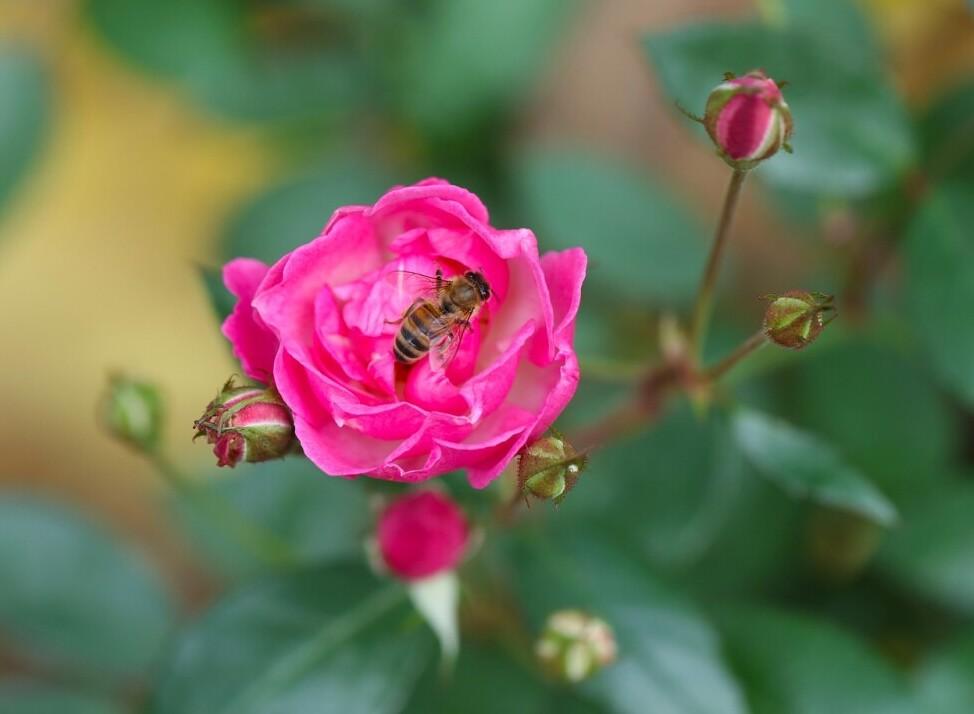
The Taif rose is a variant of the Damask rose, believed to have been introduced centuries ago through Persian or Ottoman trade routes and later adapted to Taif’s mountain environment. The result is a flower with 30 rich petals, producing a uniquely intense aroma and a higher concentration of natural oils compared to other rose varieties.
Historical Background: From Ancient Perfumes to UNESCO Heritage
The story of Taif roses goes back centuries, possibly as far as the early Islamic era when rose oil and rose water were prized commodities traded across Arabia, Persia, and India. The Taif rose became synonymous with purity, beauty, and devotion, its essence long used in religious and royal ceremonies.
- Ottoman and Persian Influence: Historical records suggest that the Damask rose was introduced to Taif via trade and royal exchanges during the Ottoman period. Over generations, local farmers cultivated a distinct Taif variety that thrived in the cooler highlands.
- Religious Significance: Rose water distilled in Taif is famously used for the annual washing of the Kaaba in Makkah — a practice symbolising sanctity and reverence (Saudi Times).
- UNESCO Recognition: In 2024, the cultural heritage of Taif rose cultivation and distillation was added to UNESCO’s Representative List of the Intangible Cultural Heritage of Humanity, recognising the craft’s deep cultural roots and communal traditions (Zeen Magazine, 2024).
The continuation of these traditions — especially the Rose Festival held every spring — keeps the ancient connection between people, bees, and roses alive.
Production: How Rose Taif Honey Is Made
Contrary to common belief, Rose Taif Honey is not infused with rose essence. It is produced when bees naturally forage on Taif rose blossoms, collecting nectar directly from the petals during the blooming season.
- Short Harvest Window: The Taif rose blooms only for about 25–30 days each year (typically from late March to April). Beekeepers must strategically position their hives close to rose farms to ensure bees feed exclusively on these flowers during that period.
- Natural Beekeeping Practices: Many local producers maintain traditional, low-intervention methods — allowing bees to feed freely, avoiding artificial feeding, and keeping honey raw and unpasteurised (Prophetic Blends).
- Yield and Rarity: Due to the brief flowering season and limited nectar availability, Rose Taif Honey is produced in small quantities, often sold only by local farms or trusted Saudi honey suppliers.
The result is a golden honey with delicate rose notes, mild sweetness, and a lingering floral aroma that distinguishes it from other monofloral honeys.
Taste and Sensory Profile
Rose Taif Honey is often described as a taste of spring captured in a jar — a delicate balance between floral sweetness and aromatic depth.
Colour

Typically ranges from amber to golden, but authentic, raw Taif honey can appear much darker, even showing reddish tones when held up to the light. This variation depends on the concentration of rose nectar, the mineral-rich volcanic soils of Taif’s highlands, and the honey’s raw, unfiltered nature.
The combination of high-altitude blooms and traditional extraction methods allows natural pigments and trace minerals to remain intact, giving some batches a deep, rose-tinted hue that reflects their origin (AramcoLife, 2022).
Aroma
Intensely floral and rosy, carrying the unmistakable perfume of freshly harvested Taif roses. The scent is rich yet elegant — reminiscent of rose water and mountain air.
Flavour
Smooth, buttery sweetness with distinct notes of rose petals, often likened to Turkish delight or natural rose syrup. The finish is floral rather than sugary, leaving a lingering fragrance on the palate.
Texture
Fine-grained and velvety, with slow crystallisation, typical of high-fructose honeys. The consistency remains supple for longer, preserving its characteristic shine and aroma.
Because of its aromatic richness, Rose Taif Honey is best enjoyed raw — by the spoonful, or paired with mild cheeses, yogurt, or herbal infusions, where its floral notes can be fully appreciated.
Cultural and Economic Importance
The rose industry in Taif supports hundreds of small farms and tens of thousands of families, making it one of Saudi Arabia’s most symbolic agricultural sectors.
Each year, Taif hosts the Rose Festival, celebrating the harvest with music, art, and traditional rose-picking demonstrations.
With over 910 farms and around 70 rose distilleries producing essential oils, perfumes, and rose water, the honey industry has naturally evolved as a complementary trade, bringing together beekeepers and rose farmers in sustainable cooperation.
Health Benefits and Uses
While scientific research on Rose Taif Honey is limited, both rose extracts and natural honey have well-documented therapeutic properties. Combined, they form a potent natural remedy with centuries of traditional use.
Potential Benefits
- Antioxidant Power: Rich in flavonoids and phenolic compounds that help neutralise free radicals.
- Antibacterial & Antiviral: Like most raw honeys, it supports wound healing and throat health.
- Anti-inflammatory Effects: Helps soothe sore throats and digestive discomforts.
- Mood Enhancement: The rose scent itself is known for its calming and antidepressant effects, promoting relaxation.
- Beauty & Skincare: Used in facial masks or natural moisturisers for its soothing and aromatic qualities.
Challenges and Authenticity Concerns
Because of its rarity and high demand, Rose Taif Honey is often imitated or adulterated. Some products on the market are rose-infused honeys, made by mixing rose oil or essence with regular honey — not true monofloral honey.
To ensure authenticity:
- Verify the source (look for Taif, Al-Shafa, or Al-Hada origins).
- Check that it’s raw and unpasteurised.
- Avoid products labeled “flavoured” or “infused.”
- Buy from trusted local or certified exporters.
Little-Known Facts About Rose Taif Honey
- The Taif rose has exactly 30 petals, which inspired its Latin name trigintipetala (“thirty-petaled”).
- Over 500 million roses are harvested annually in Taif (AramcoLife, 2022).
- Rose water from Taif is categorised by purpose — “Bride’s Water” (high concentration for ceremonial use), culinary rose water, and beauty-grade rose water.
- Women play a key role in modern rose farming and honey marketing, blending ancient craft with modern entrepreneurship (AramcoLife, 2022).
FAQ: What You Need to Know About Rose Taif Honey
1. What makes Rose Taif Honey different from other floral honeys?
It’s derived exclusively from the Taif rose, giving it a unique floral aroma and rarity. Unlike rose-infused honeys, it’s naturally produced by bees feeding on rose nectar.
2. When is it harvested?
The honey is collected after the rose bloom season, typically April to early May, ensuring maximum rose nectar concentration.
3. How can I identify genuine Rose Taif Honey?
Look for honey sourced from Taif region, preferably labeled raw or monofloral. Avoid overly fragrant or pink-tinted products — these are usually artificially infused.
4. What are its main health benefits?
Antioxidant, antibacterial, anti-inflammatory, and mood-lifting properties due to the combination of rose phenolics and raw honey enzymes.
5. Does it crystallise over time?
Yes, like all natural honeys, it may crystallise, especially if stored below 15°C. If desired, gently warm the jar in warm water to return it to liquid form.
6. Can I use it on my skin?
Absolutely. Mix a teaspoon with rose water or yogurt for a soothing, aromatic face mask.
7. How expensive is it compared to Sidr Honey?
While Sidr Honey remains the premium medicinal honey of Arabia, Rose Taif Honey rivals it in price due to its limited bloom, small-scale production, and luxurious fragrance. Both are highly prized and command boutique-market value.
Conclusion
Rose Taif Honey is more than a delicacy — it’s a story of heritage, fragrance, and harmony between bees and blossoms. From the rosy dawns of Taif’s highlands to the careful hands of beekeepers, every drop of this honey carries centuries of tradition, craftsmanship, and devotion.
Like Sidr Honey, it stands as a proud emblem of Arabia’s natural and cultural wealth — a sweet symbol of the desert’s generosity and the mountain’s beauty.
Have you ever tasted Rose Taif honey?
Share your thoughts below, and explore more Rare Honeys of the World in our full guide.