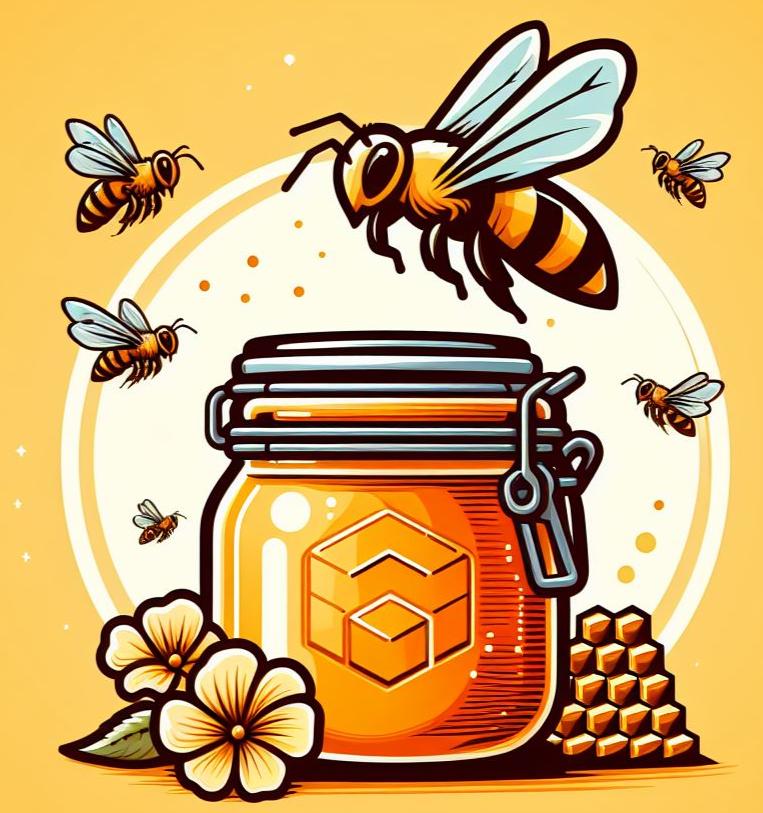
Beeswax is one of the most practical and sustainable materials produced by honey bees — yet it is often overlooked in favour of honey or propolis. Formed by worker bees to build and protect the hive, beeswax is a natural, renewable substance that has supported human life for centuries.
Today, as more people seek low-waste and eco-friendly alternatives, beeswax is being rediscovered for its role in sustainable living — from natural candles and skincare to reusable food wraps, woodworking finishes, and simple household crafts.
Understanding what beeswax is and how to use it responsibly offers a meaningful way to reduce reliance on synthetic, disposable products while supporting ethical beekeeping practices.
Beeswax is just one of several remarkable substances created by honey bees, each with its own role and traditional uses — a relationship explored further in our complete guide to beehive products and their uses.
What Is Beeswax and How Do Bees Make It?
Beeswax is produced by young worker bees (typically 12–18 days old) through specialised wax glands on their abdomen. These glands secrete tiny, translucent flakes of wax, which bees chew and soften with enzymes before shaping them into the familiar hexagonal honeycomb.
The short video below shows this remarkable process in action, from wax secretion to comb construction.
Producing beeswax is energetically expensive for the colony — roughly 6–8 kg of honey are consumed to produce 1 kg of wax. This high biological cost explains why beeswax has always been prized and why ethical sourcing matters.
Within the hive beeswax serves multiple essential functions:
- Forms the honeycomb for brood rearing and food storage
- Acts as a natural barrier against pathogens, helping maintain hive hygiene
- Regulates temperature and humidity, contributing to colony stability and survival
Beeswax Composition (Why It’s So Stable)
Beeswax is chemically complex yet remarkably stable. It consists primarily of:
- Long-chain fatty acid esters
- Free fatty acids
- Hydrocarbons
- Small amounts of aromatic compounds from nectar and propolis
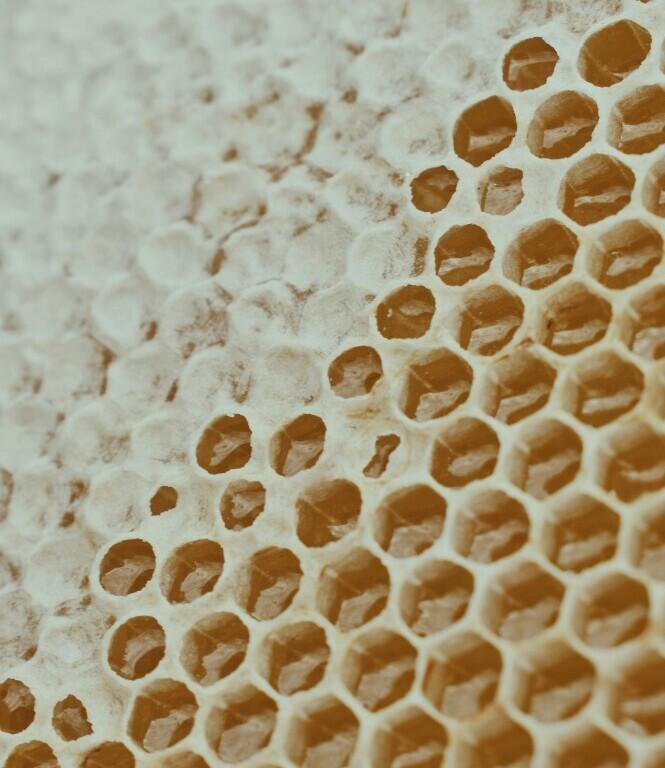
This structure makes beeswax:
- Naturally water-repellent
- Slow to oxidise
- Resistant to microbial growth
- Flexible yet durable
These properties explain its long shelf life and wide range of traditional and modern uses.
Beeswax Candles: Clean Light with Deep Roots
Beeswax candles are among the oldest candles known to humanity, used in ancient Egypt, Greece, and later in European monasteries.
Unlike paraffin candles, beeswax candles:
- Burn slowly and cleanly
- Produce minimal smoke
- Emit a subtle, honey-like aroma
- Do not require synthetic fragrances
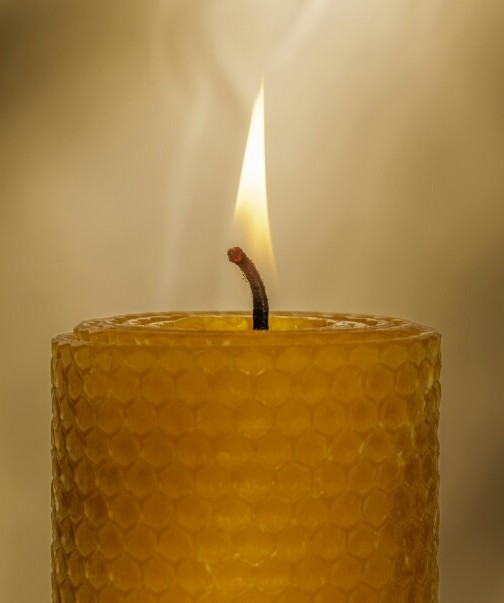
Many people also appreciate beeswax candles for creating a calm, natural atmosphere — making them popular in homes focused on low-tox living.
👉 You may want to find out more in the article How to Choose Candles: Beeswax vs Paraffin & Soy
Beeswax Skincare Products: A Natural Protective Barrier
One of the most valuable properties of beeswax in skincare is its ability to protect without suffocating the skin. It forms a breathable barrier that helps retain moisture while allowing the skin to function naturally.
Common uses include:
- Lip balms and salves
- Hand creams and healing ointments
- Natural deodorants
- Barrier creams for dry or sensitive skin
Beeswax is especially appreciated in traditional formulations because it stabilises infused oils and enhances shelf life — a principle used for centuries.
👉 For a complete breakdown of beeswax skincare benefits and how to use beeswax safely in natural beauty products, read The Ultimate Guide to Beeswax in Skincare. It covers everything from skin barrier support to DIY applications and common myths.
Beeswax Infused Oils: The Foundation of Salves
Beeswax itself does not extract plant compounds, but it plays a crucial role in solidifying infused oils into balms, salves, and creams. When combined with herbal oils (such as calendula or plantain), beeswax transforms liquid remedies into long-lasting, easy-to-apply preparations.
This is one of the oldest forms of natural medicine preservation and remains widely used in herbalism today.
👉 Craft a natural Calendula Infused Coconut Oil and Beeswax Salve that protects, moisturises and restores.
Beeswax Wraps: Benefits & Sustainability
Beeswax wraps have become a popular alternative to plastic cling film — and for a good reason.
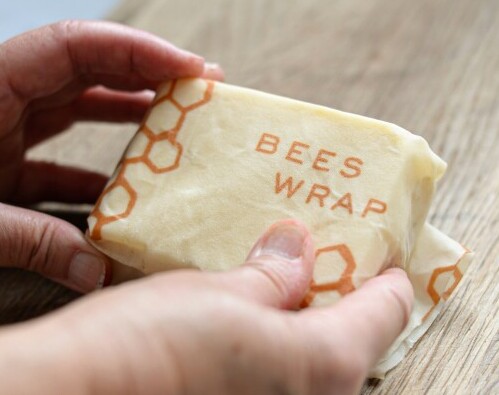
Beeswax Wraps Benefits
- Reusable and biodegradable
- Naturally antibacterial
- Breathable (ideal for cheese, fruit, bread)
- Reduce single-use plastic waste
Beeswax Wraps Sustainability
When made with responsibly sourced beeswax and natural fabrics, wraps represent a low-impact, circular product. Their sustainability depends heavily on:
- End-of-life compostability
- Ethical beekeeping practices
- Natural resins and oils used
👉 Check out our tutorial: Beeswax Wrap DIY: Step-by-Step Guide for Beginners (coming soon)
Beeswax for Woodworking: A Traditional Finish
Long before synthetic varnishes, beeswax was used to protect, nourish, and polish wood. It remains popular for:
- Cutting boards and utensils
- Furniture finishing
- Tool maintenance
- Leather conditioning
Beeswax enhances natural grain, repels moisture, and creates a soft, breathable finish — particularly valued in heritage crafts and sustainable woodworking.
👉 Discover more in the article Beeswax for Woodworking: Natural Finishes That Last. (coming soon)
Beeswax Crafts for Kids: Creative & Educational
Beeswax is also widely used in children’s crafts, especially in Waldorf and nature-based education. Its gentle scent, warm texture, and natural origin make it ideal for:
- Modelling figures
- Candle rolling
- Seasonal decorations
Crafting with beeswax can help children understand:
- Where materials come from
- The role of bees in ecosystems
- The value of handmade, reusable items
Sustainability & Ethical Considerations
Because beeswax is a hive-building material, over-harvesting can stress colonies if done irresponsibly. Ethical beeswax sourcing prioritises:
- Wax harvested during honey extraction, not brood comb
- Healthy colony cycles
- Minimal chemical contamination
Supporting local beekeepers and transparent producers helps ensure beeswax remains a renewable gift, not an exploited resource.
Final Thoughts
Beeswax reminds us that not all hive treasures are meant to be eaten — some are meant to build, protect, and preserve. From the structure of the hive to the quiet usefulness of candles, wraps, and salves, beeswax reflects the deep intelligence of the colony itself. Exploring beeswax alongside honey, pollen, bee bread, propolis, and royal jelly offers a fuller picture of how bees support both their own survival and ours — a story best understood when seen as a whole.