Welcome to your guide for harnessing the power of bee-products in DIY creations. Whether you’re a beekeeper looking to turn your hive harvest into healing salves, or someone curious about natural skincare and wellness, this page is your hub.
I’ve been keeping bees for more than five years, but my interest in the science behind bee products goes back over two decades — especially when it comes to propolis and honey. Over the years I’ve tested various DIY formulas, remedies, and skincare recipes, experimenting with what truly works. The guides and tutorials I share here come directly from that hands-on experience and long-term research.
Here, you’ll find:
- Insights into bioactive benefits of the major bee products (honey, propolis, royal jelly, pollen, beeswax) and links to more details.
- Safe, practical recipes and formulations.
- Links to in-depth DIY tutorials and advanced techniques.
- Quality-control, storage, and safety guidance.
The Healing Power of Bee Products
Bioactive Benefits
Bee products are not just sweet or waxy — many of them contain powerful bioactive compounds that make them prized in natural wellness. For instance:
- Propolis is rich in flavonoids and phenolic acids, known for antimicrobial and anti-inflammatory effects.
- Royal Jelly contains proteins (including major royal-jelly proteins), amino acids, and unique fatty acids like 10-HDA, contributing to immune support and skin regeneration.
- Honey brings antioxidants, natural enzymes, and wound-healing properties.
- Bee Pollen is packed with vitamins, minerals, amino acids — making it a nutritional powerhouse.
- Beeswax, while not “active” in the same way, acts as a protective base in salves and cosmetics.
These benefits are well documented in apitherapy traditions and modern studies.
Propolis: Your DIY Powerhouse
Propolis has earned its place as one of the most versatile and powerful tools in natural DIY wellness. Packed with flavonoids, resins, and aromatic compounds, it offers broad-spectrum antimicrobial, soothing, and protective properties — making it ideal for extracts, skin care, oral health, and hair care. This section brings all your propolis-based creations together in one easy-to-navigate place.
1. Propolis Extraction Methods
Extracts are the foundation of almost every propolis-based DIY recipe. The solvent you choose — water, alcohol, oil, or ghee — determines which active compounds you extract, the potency, shelf life, and the type of projects you can make.
Water-Based Propolis Extract (WPE)
A gentle, alcohol-free option ideal for people who prefer non-alcoholic preparations.
Best for: mouthwash, skin toners, children’s preparations, and water-soluble applications.
Key benefits:
- Extracts some of the water-soluble antioxidants
- Mild flavour and aroma
- Lower risk of skin irritation
Limitations: shorter shelf life and less potency than alcohol-based extracts.
Alcohol-Based Propolis Extract (Tincture / APE)
The most potent and long-lasting form of propolis extraction.

Best used for: salves, serums, creams, disinfecting sprays
Pros: strongest extraction of resins and flavonoids
Cons: not suitable for alcohol-sensitive users
Key benefits:
- High potency
- Long shelf life
- Excellent solvent for resins and flavonoids
Limitations: not suitable for individuals avoiding alcohol.
👉 Full tutorial: How to Make Water & Alcohol Propolis Extracts
2. Topical Creations
Propolis excels in topical uses because it creates a protective barrier and supports the skin’s natural repair processes. Below are your main propolis-based DIY formulations.
Propolis Salve (High-Strength Bee-Healing Balm)
A multipurpose balm made from a propolis extract, nourishing carrier oil, and beeswax.
Why it’s useful:
- Helps hydrate dry, cracked skin
- Offers protective and soothing benefits
- Ideal for small areas needing extra care
👉 Full recipe: DIY Propolis Salve – Step-by-Step Guide
Skincare With Propolis
Propolis Serum
A lightweight blend designed for daily skin support.
Great for: redness, blemishes, uneven texture, dull skin
Typical ingredients: aloe vera gel, hyaluronic acid, lightweight oils, propolis extract
👉 Full guide: How to Make a Propolis Skin Serum.
Creams & Masks for Mature Skin
Propolis works beautifully in hydrating and antioxidant-rich skincare for aging or stressed skin.
Benefits:
- Supports skin repair
- Improves texture and suppleness
- Enhances antioxidant protection
👉 Full tutorial: Propolis Creams & Masks for Mature Skin.
3. Hair Care With Propolis
A supportive blend for scalp comfort and healthy shine.
Quick example recipe:
- 1 tbsp aloe vera gel
- 5–10 drops propolis tincture (or ½ tsp water extract)
- 1 tsp jojoba or argan oil
Apply to the scalp before washing or as a targeted leave-in treatment.
👉 Full guide: Using Propolis for Hair & Scalp Health.
4. Oral & Internal Uses
Propolis also has traditional uses in oral care and internal wellness preparations. These require clear safety notes.
Propolis Mouthwash
A simple preparation made by diluting a propolis extract into warm water with optional herbal additions.
Benefits:
- Freshens breath
- Supports gum comfort
- Provides a mild antimicrobial effect
Safety notes:
- Avoid if allergic to bee products
- Alcohol tincture may not be suitable for everyone
- Avoid swallowing large amounts
👉 Full recipe: DIY Propolis Mouthwash
Propolis-Infused Ghee
A traditional preparation valued for its soothing qualities and versatility.
Why it’s popular:
- Fat-soluble propolis compounds infuse well into ghee
- Stable storage
- Can be used topically or in warm beverages
👉 Full guide: How to Make Propolis Ghee
Beeswax in DIY
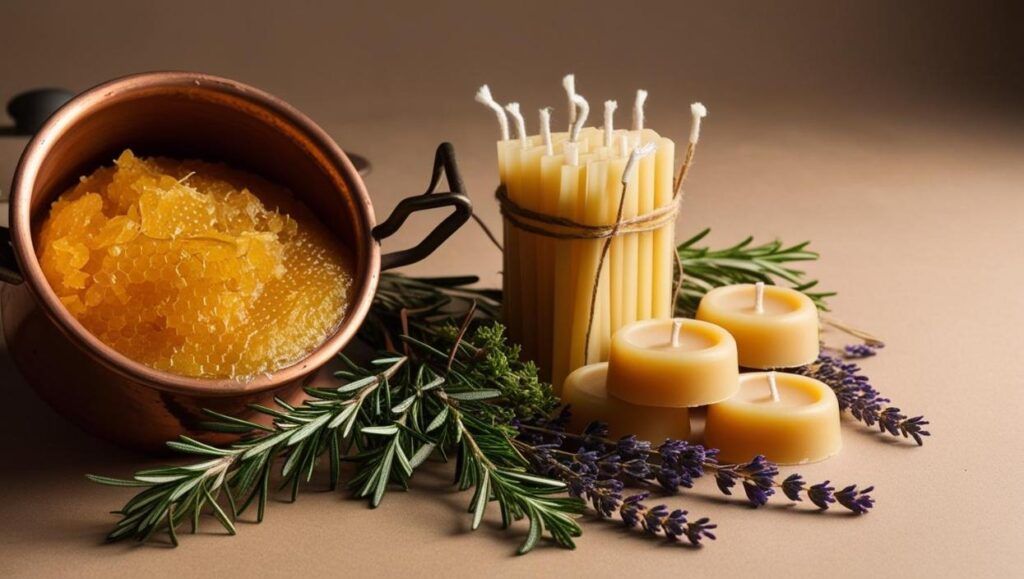
Beeswax is one of the most versatile ingredients in natural DIY projects. Its firming, protective, and emulsifying properties make it essential in balms, creams, candles, wraps, and many apitherapy formulations. This section gives you everything you need to work with beeswax safely and confidently.
Beeswax is perfect for crafting everything from candles to furniture polish.
Honey in DIY Skincare
Honey is long established in the world of DIY skincare, offering natural solutions that are both effective and gentle on the skin. With its antibacterial properties, honey is perfect for managing breakouts and promoting healthy skin. It’s also a superb moisturiser that can help maintain the skin’s hydration levels.
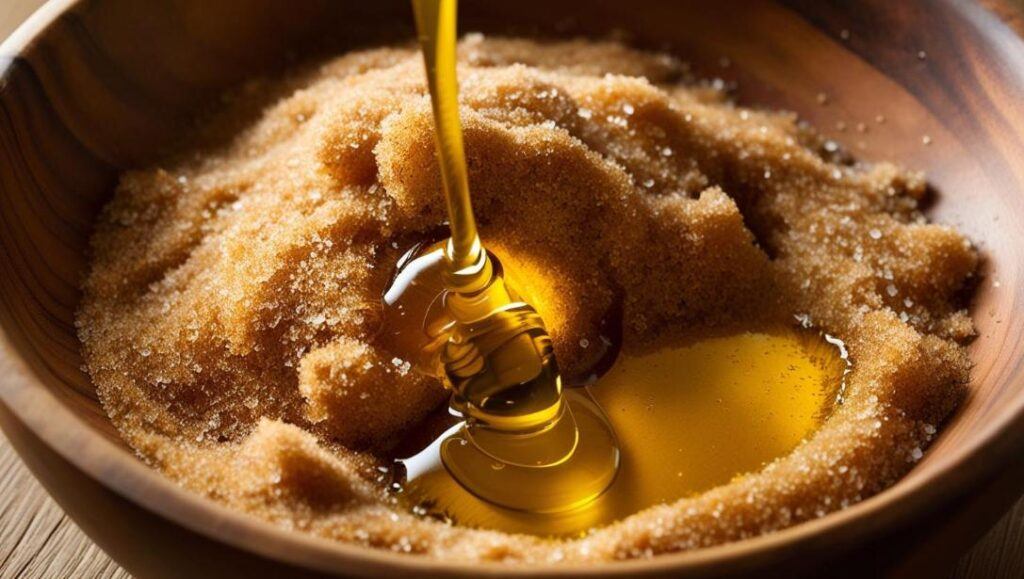
Creating your own honey sugar scrub is an easy way to start. Combine coarse sugar with honey and a dash of olive oil for a fantastic exfoliator. This simple mix sloughs away dead skin cells while leaving your skin feeling soft and revitalised. Plus, it’s a fraction of the cost of store-bought scrubs.
Facial masks using honey can be another great addition to your routine. Mix honey with some mashed avocado or a bit of yogurt, and you’ve got a nourishing mask that tackles dryness and calms irritation. Honey’s natural enzymes work wonders to gently clean and brighten the skin, making these masks a treat for anyone looking to enhance their skincare.
Beyond masks and scrubs, honey can be blended into homemade toners or even lip balms. Its versatility means it can seamlessly integrate with various other natural ingredients, allowing you to tailor your creations to your specific skincare needs.
Understanding the science behind honey’s beneficial properties can enhance your appreciation of its role in skincare. Its natural antioxidants, enzymes, and nutrients make it a powerful ally against many common skin issues. Also it is kind to both your skin and the environment.
Exploring the Health Benefits of Royal Jelly in Homemade Supplements
Royal jelly is an extraordinary bee product with a rich nutritional profile, perfect for enhancing homemade supplements. Known for its potential health benefits, it contains a unique mix of proteins, vitamins, and minerals, making it a standout among natural health boosters.
Making your own royal jelly supplements is surprisingly straightforward. You can start by incorporating fresh royal jelly into smoothies or protein shakes. This adds a nutritional kick that supports energy and overall well-being.
Royal jelly‘s benefits extend beyond nutrition. It’s also associated with enhancing collagen production, which may support skin health and elasticity. Infusing it into your skincare routine as part of masks or lotions could offer some rejuvenating results, adding a luxurious touch to your regimen.
When working with royal jelly, quality is essential. Sourcing from reputable suppliers ensures that the jelly retains its active components and is free from contaminants. This ensures that you gain the most from its therapeutic properties.
Taking royal jelly isn’t for everyone — you should always consider allergies and consult a health professional if you’re unsure. Its potent nature means it could trigger reactions in those with sensitivities to bee products. Proceed with awareness and respect for your body’s responses.
DIY Recipes Using Bee Pollen for a Nutritional Boost
Bee pollen is a powerhouse of nutrition, packed with proteins, vitamins, and amino acids that make it a valuable addition to any wellness regimen. This versatile superfood can easily be incorporated into DIY recipes, allowing you to create health-conscious snacks and beverages.
One simple way to enjoy bee pollen is by adding it to smoothies. Blending bee pollen with fruits like bananas, berries, and a splash of almond milk creates a delicious, nutrient-rich drink. This not only boosts energy levels but also provides an immune system kick-start.
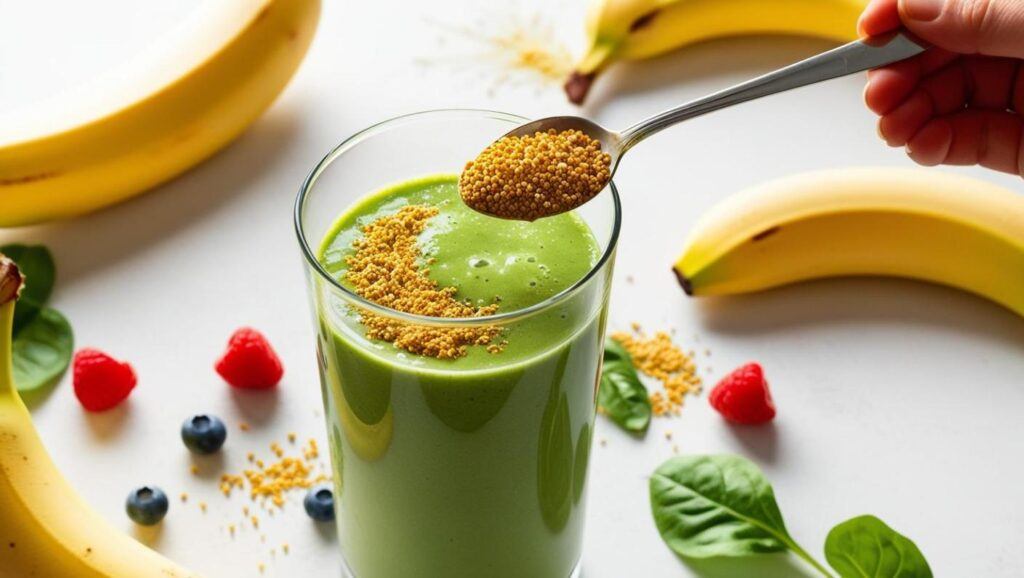
Bee pollen also perfect in homemade energy balls. Mix it with oats, nut butter, honey, and your choice of seeds or dried fruits for a portable, healthy snack. These bites are excellent for reaching for during an afternoon slump or before a workout.
It’s important to introduce bee pollen into your diet gradually, especially if it’s your first time using it. Some people may experience allergic reactions, so starting with a small amount helps you gauge your body’s response. If you know you have allergies to pollen, consulting your healthcare provider before use is wise.
Understanding the sourcing of bee pollen ensures you are getting a high-quality product. Opt for pollen that’s sustainably harvested and free from contaminants, supporting both ethical practices and better nutrient retention.
Exploring recipes with bee pollen lets you experiment in the kitchen while boosting your nutritional intake. It represents a kind of step toward to a more health-conscious lifestyle.
Sustainability and Ethical Sourcing in DIY Bee Product Use
Using bee products in DIY projects invites not only creativity but also responsibility.
When choosing bee products, opt for those sourced from beekeepers who practice ethical farming. This includes treating bees humanely, maintaining diverse ecosystems, and avoiding pesticide exposure that can harm bee populations. Supporting such practices not only backs local communities but also promotes bee health and ecological balance.
Educating yourself on the origin of the products you use. Engage with sellers, ask questions about their harvesting processes, and look for certifications that assure quality and sustainability. This transparency fosters trust and ensures you’re contributing to a fair supply chain.
The beauty of DIY is the customisation. Experiment with various herb infusions or butters within your ointments for targeted skin needs. Calendula flowers or shea butter can add extra nourishment and healing power. Since you control the ingredients, the versatility of these creations allows you to cater to specific skin types or preferences, promoting better skin care habits.
Exploring DIY bee-infused ointments is not just about getting health benefits; it’s also helps familiarise yourself with the knowledge of natural remedies. This hands-on process connects you more deeply with nature, celebrating what bees provide us beyond just honey on our bread.