Beekeeping is deeply rewarding — but it’s not free. Getting started isn’t as simple as just setting up a hive and watching the bees buzz around. It involves a fair bit of planning and initial investment. Before ordering a hive or joining a course, most beginners ask the same question:
“How much does it really cost to start beekeeping?”
The truth is: the first year is the most expensive, and costs vary depending on your equipment choices, hive type, and how much you want to invest upfront.
This guide breaks everything down clearly so you can plan confidently and avoid common beginner surprises.
1. The Three Cost Categories
When you start beekeeping, your expenses fall into three groups:
A) One-time setup costs
– equipment
– hive(s)
– protective clothing
– tools
B) Annual ongoing costs
– treatments
– feed
– replacement frames or foundation
– insurance / association fees
C) Optional investments
– honey extractor
– wax processing tools
– additional supers or a second hive
By the end of this guide, you’ll know the realistic first-year total and the expected yearly cost after that.
2. Essential One-Time Costs (The First-Year Investment)
These are the items you need to physically keep a hive safely. They form the bulk of first-year spending.
Below is a realistic price range beginners typically spend.
Protective Clothing (£70–£180)
You don’t need the most expensive suit, but you do need a reliable one.
Typical costs:
- Full bee suit with veil: £50–£130
- Nitrile/latex (2 pairs) or cowhide gloves: £5–£20
- Boots (your own are fine): £0–£30
Tip: Where beginners overspend: fancy premium suits
Tools (£20–£60)
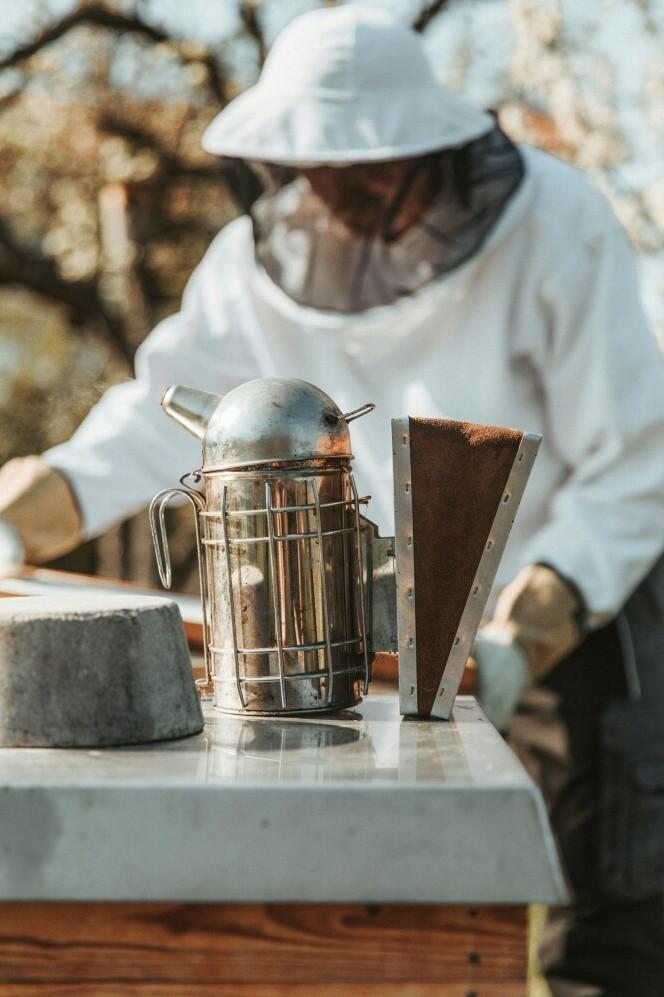
- Smoker and a blow torch: £15–£60
- 2 Hive tools (standard hive tool and J-tool): £5–£15
- Bee brush: £5–£10
Once purchased, these last years.
Your First Hive (£150–£350)
Your hive is your bees’ home. Prices vary depending on:
- wood quality (cedar vs pine)
- flat-pack vs assembled
- number of boxes
- hive type (National, Langstroth, Warré, etc.)
Typical beginner setup includes:
- Stand
- Floor
- Brood box
- Supers
- Crown board
- Roof
- Frames + foundation
Expect:
- Basic pine hive: £150–£220
- Cedar hive: £210–£350
Frames and Foundation (£30–£70)
A typical beginner setup requires:
- 10–12 brood frames
- 10–20 super frames (for honey)
You can get them as a flat-pack — frames that you need to assemble, and foundation (wax sheets) that you will need to insert into frames. To do that you will need a small hammer, nails and plyers.
Or, you can purchase pre-assembled frames with foundation, which is more expensive.
These are consumables you’ll replenish over time.
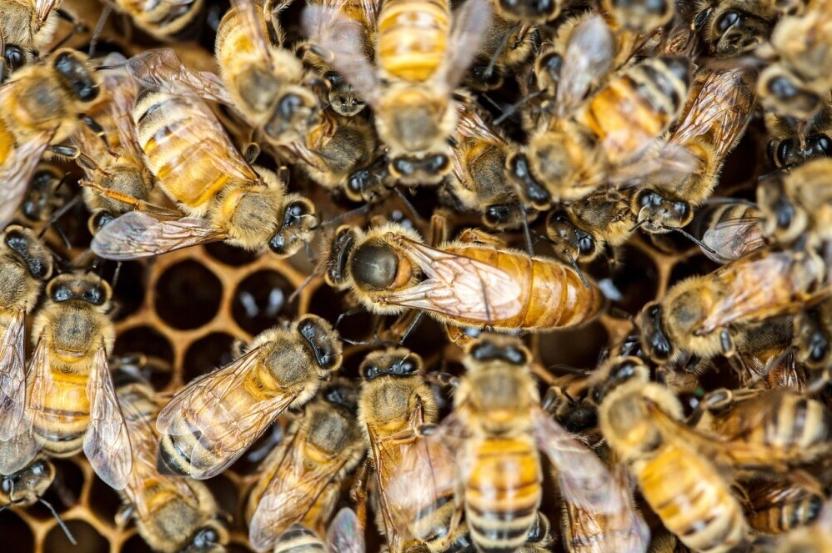
Bee Colony (Nuc) (£150–£350)
A nucleus colony (nuc) is the best option for beginners.
Price varies based on:
- local supply
- queen lineage
- time of year
- region
Important:
Imported bees may be cheaper — but not always suitable for beginners.
Local bees are better adapted and easier to manage.
Optional Setup Costs
- Feeder: £10–£20
- Syrup/fondant: £10–£25
- Ratchet straps or hive straps: £5–£10
Total first-year setup: £455–£930
(Depending on equipment quality and hive choice)
This aligns with what most UK beginners spend in their first year.
Tip: When starting your first hive, you can get very excited and splurge on gadgets that sound cool but rarely used. Focus on core essentials first. Start small and scale up as you get more comfortable.
3. Annual Running Costs (Year 2 and Beyond)
Once your equipment is in place, ongoing costs are significantly lower.
Varroa Treatments (£15–£50 per year)
Pest control is another key component. Varroa mites, hive beetles, the lot — they don’t discriminate, and prevention is far cheaper than trying to cure an infestation later.
Every colony needs varroa management. Regular mite treatments might cost up to £50 a year per hive, but that beats losing entire colonies. Popular treatments include: thymol gels, formic acid pads, oxalic acid, etc.
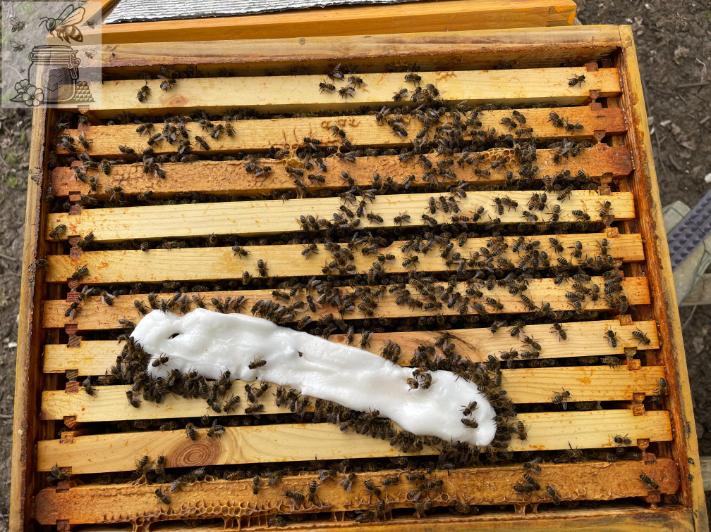
Sugar/Fondant/Pollen Patties(£15–£40 per year)
You may need to feed:
- in early spring
- during poor weather
- during autumn build-up
- emergency feeding in winter
Your location affects cost significantly.
Replacement Frames & Foundation (£20–£40 per year)
Keeping equipment clean and well-maintained is vital. Regularly inspecting hives for disease signs is a commitment of both time and supplies, such as replacement frames or foundations.
Good practice is to replace brood frames annually, rotating old ones out.
Association Fees (£20–£40 per year)
Joining a local beekeeping association often includes insurance, educational access, and mentor support.
Total typical annual costs: £70–£170
After year one, beekeeping becomes far more affordable.
4. Optional (But Highly Useful) Extras
These aren’t essential for your first hive, but many beekeepers buy them later.
Honey Extractor (£150–£350 or free through borrow/lend)
You can:
- buy one
- borrow from your association
- rent locally
Most beginners borrow or share for the first year. You don’t necessarily need it as there are ways to extract honey without using an extractor.
Additional Supers (£30–£60 each)
If your colony grows rapidly, you may need more honey supers.
Second Hive (£200–£350)
Many beekeepers add a second hive in their second year.
Advantages:
- easier comparisons
- easier swarm control
- easier queen issues management
Wax Processing Tools (£20–£60)
If you collect beeswax, small tools help process it.
Optional extras range: £50–£350
It mainly depends on your preferences and ambitions.
5. What Beginners Often Don’t Expect (But Should)
Sometimes, Mother Nature doesn’t play nice, and you’re hit with unpredictable expenses. Think about weather impacts — severe winters or droughts can wreak havoc, requiring more feeding than usual.
Then there are unforeseen hive health issues. Disease outbreaks can require emergency treatments or even replacing the entire colony. It’s tough, but being prepared can ease the sting, pun intended.
Beekeepers often recommend setting up some form of contingency funds. Consider insurance options if they’re available in your region; they might cover things like hive losses or bad weather effects. It’s an extra cost, but it might save major expenses down the line.
Here are the biggest surprise expenses:
• Replacing a failed queen: £45–£60
Not common, but it happens.
• Sudden feeding needs
Poor weather or slow nectar flow can increase syrup/fondant use.
• Upgrading gloves or suit
Most people eventually switch to lighter gloves or a better veil.
• Paying for a swarm collection course or workshop
If you choose to expand later.
These are not every-year expenses but worth planning for.
6. The Honest, Realistic First-Year Budget
To help you plan confidently:
- Bare minimum (budget-conscious): £450–£600
- Comfortable beginner setup: £650–£850
- Premium first-year setup: £900–£1,200
Most hobby beekeepers fall in the middle range.
7. When Beekeeping Starts Paying for Itself
If your bees thrive, you may eventually:
- harvest enough honey for friends
- sell small batches locally
- make beeswax products
- create DIY crafts
- use excess wax for candles or cosmetics
You won’t “profit” in year one, but you could gain value every year afterward.
Final Thoughts
Beekeeping isn’t the cheapest hobby to start, but it is one of the most rewarding.
By understanding the true costs upfront — and planning for annual maintenance — you can begin your beekeeping journey confidently, prepared, and with no unwelcome surprises.
For more beginner guidance, you can explore:
👉 Your First Steps in Beekeeping: The Complete Beginner’s Guide
👉 How I Started Beekeeping: My Practical Steps & Lessons Learned
👉 How To Choose Your First Hive: A Guide to 4 Common Beehive Types