
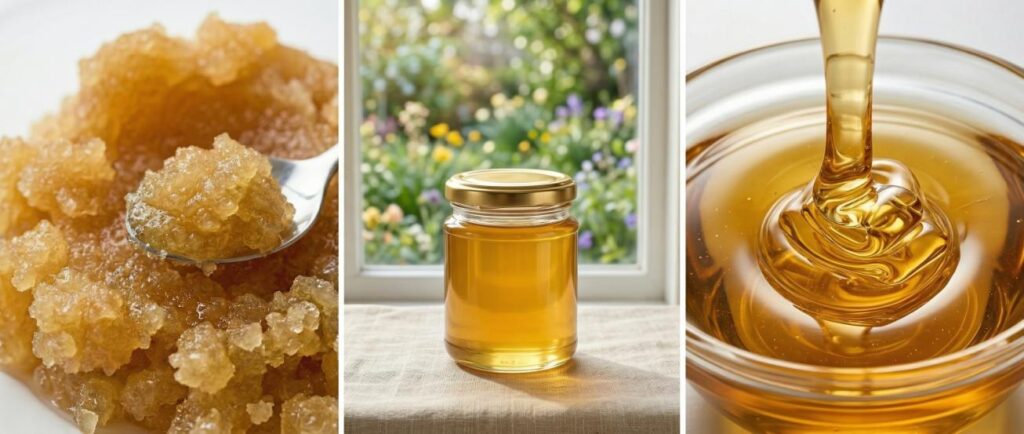
To keep honey liquid for longer, store it at a stable room temperature (around 20–24°C), avoid refrigeration, and keep the container tightly sealed. While you cannot completely stop crystallisation, you can significantly slow it down with proper storage.
Many people are surprised when their honey turns solid — and even more frustrated when it crystallises again after being gently warmed.
The truth is that crystallisation is natural, but how you store honey makes a big difference to how quickly it happens.
Why Honey Crystallises Over Time
Honey naturally crystallises because it contains glucose, which forms crystals over time — especially at certain temperatures.
This is not a flaw. It is simply how real honey behaves.
👉 If you want a full explanation, see: The Truth About Crystallised Honey (Most People Get This Wrong).
What Temperature Keeps Honey Liquid the Longest?
Temperature is the most important factor.
Key ranges to understand:
- 27–32°C → honey may stay liquid
- 20–24°C (room temperature) → crystallisation slows
- 13–14°C → crystallisation happens fastest
- 4°C and below (fridge) → crystallisation slows again, but honey becomes very thick
The “danger zone” is around 13–14°C, where crystallisation speeds up.
Should You Refrigerate Honey?
No — refrigeration usually makes honey crystallise faster.
Although very low temperatures slow crystal growth, the fridge often:
- brings honey into the crystallisation range during temperature fluctuations
- increases viscosity, making it appear solid sooner
On the whole, refrigeration is not recommended.
Storage Tips That Actually Work
Here are practical ways to keep honey liquid for longer:
1. Keep temperature stable
Avoid:
- moving honey between warm and cold places
- storing near windows or heat sources
Temperature fluctuations accelerate crystallisation.
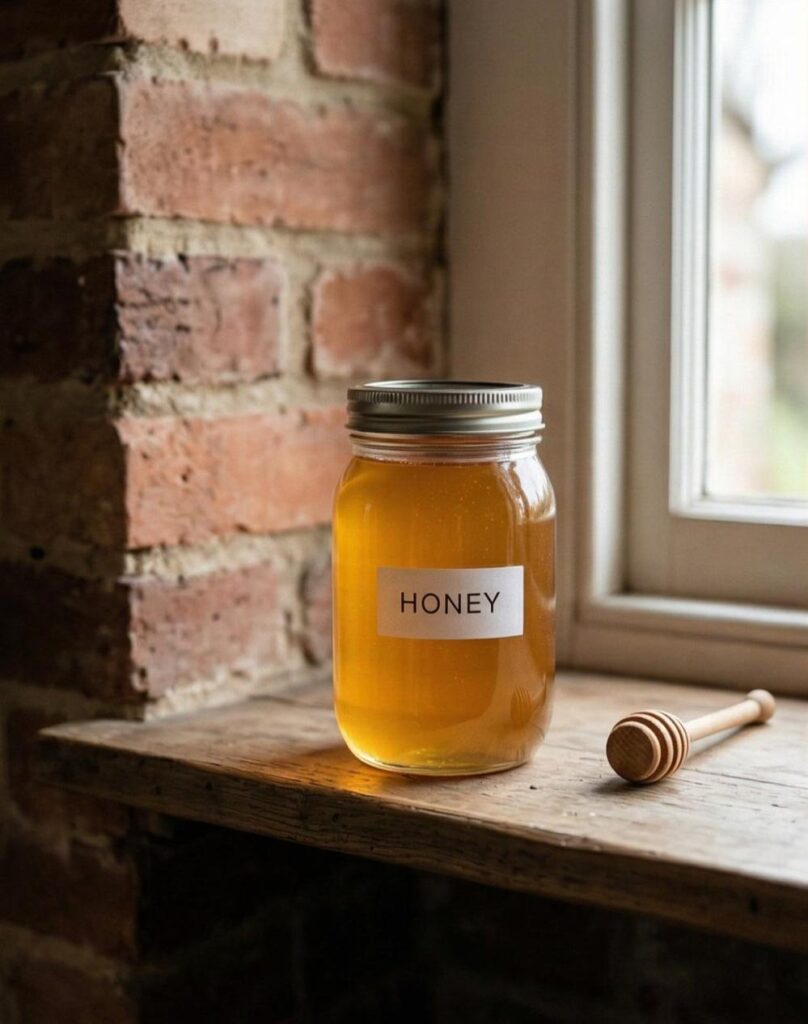
2. Store at room temperature
- Ideally around 20–24°C
- Avoid cool cupboards, sheds or garages
3. Keep the container tightly sealed
- Prevents moisture entering
- Maintains consistent internal conditions
4. Use clean, dry utensils
- Prevents introducing particles
- Helps reduce crystallisation “seeding”
Can You Stop Honey from Crystallising Completely?
No — you cannot completely prevent crystallisation.
Even with ideal storage:
- some honeys will crystallise naturally
- it is part of their composition
The goal is to slow the process, not eliminate it.
Which Honey Stays Liquid the Longest?
Some honeys naturally resist crystallisation.
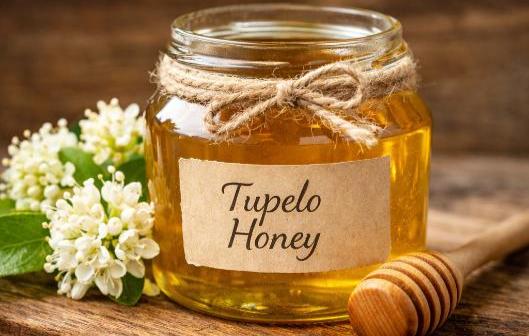
These typically stay liquid longer:
These crystallise quickly:
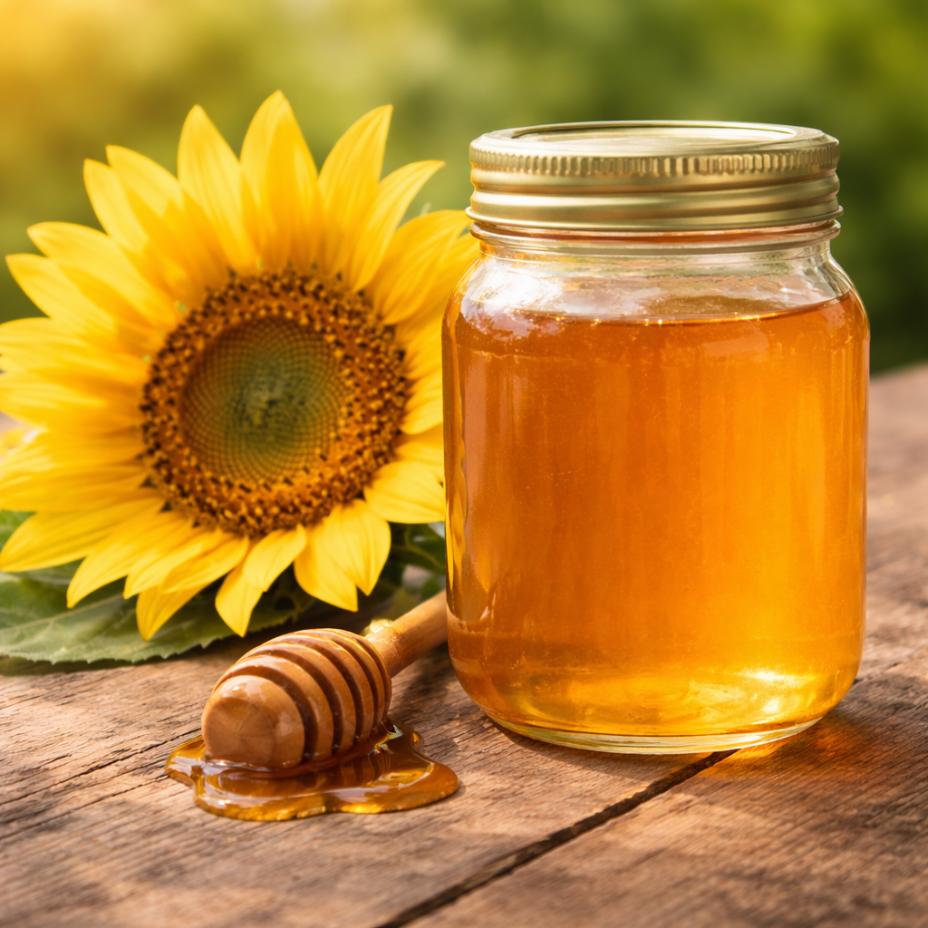
- Rapeseed (oilseed rape)
- Sunflower
- Mustard
- Cotton
Floral source plays a major role. To explore different types, see our detailed guide on Types of Honey.
🐝 From My Own Experience
In my own beekeeping practice, I’ve noticed that storage conditions can change crystallisation speed dramatically — even for the same batch of honey.
Honey kept in a stable indoor environment stays liquid far longer than honey exposed to fluctuating temperatures, especially in cooler spaces like a garage or a shed.
I’ve also seen how quickly rapeseed honey can set — sometimes even beginning to crystallise in the comb before extraction — which shows that storage can only do so much.
What to Do If Honey Crystallises Anyway
Even with perfect storage, crystallisation may still happen.
That’s completely normal.
👉 To return honey to liquid safely, follow this guide: How to Decrystallise Honey Safely (Without Damaging It).
Quick Summary
- Store honey at stable room temperature (20–24°C)
- Avoid refrigeration
- Keep containers sealed
- Avoid temperature fluctuations
- Some honeys will still crystallise naturally
FAQ About Keeping Honey Liquid
How do you stop honey from crystallising?
You cannot completely stop crystallisation, but you can slow it by storing honey at stable room temperature and avoiding temperature changes.
Does putting honey in the fridge keep it liquid?
No — refrigeration often speeds up crystallisation and makes honey thicken.
What temperature is best for storing honey?
Around 20–24°C is ideal for slowing crystallisation.
Which honey does not crystallise?
Some honeys, such as acacia and tupelo, stay liquid much longer due to higher fructose content.
Why does my honey crystallise so quickly?
This is usually due to:
- high glucose content
- storage temperature
- presence of natural particles